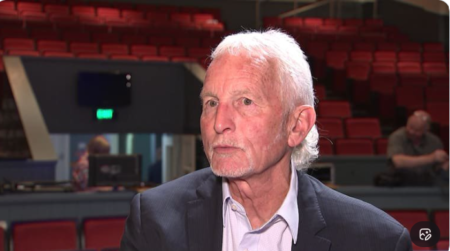



OPINION: Rodney Hide.

Rodney Hide
My daughter asked her friends a question. Your dog and a stranger are both drowning. You can save only one. Which do you save?
Half of them chose the dog.
I thought that was the young. So I asked a few of my own friends. One said the dog. Another said they would be conflicted. The third, the stranger.
In 2013 American researchers led by Richard Topolski put a version of the question to 573 people. A bus is bearing down on your pet and a foreign tourist. You can save one. Forty per cent chose their pet. Among women it was nearly 45 per cent. Swap the tourist for a stranger from your own town and the answer barely changed.
The tourist did not lose to just any animal. Only about one in eight would save someone else’s pet over him. It was their own pet that won.
If a creature’s worth comes from how much we love it, the dog wins easily. You know your dog. You have fed it, walked it and been greeted by it every night for years. The stranger is nobody to you. Love it more, save it first.
So the answer is not stupid. It follows from the premises. The question is where the premises came from.
We all look at the world through a framework. We rarely notice it. We take it for common sense. But it is a set of beliefs about what is real and what matters, and our answers flow from it.
Our grandparents would not have hesitated. They would have gone in for the stranger and grieved for the dog afterwards. That was not because they loved dogs less. It was because they believed something we have let slip. A human being has worth because he is made in the image of God. His worth does not come from us. It does not depend on whether we know him, like him or love him. It is given, and it is the same for the stranger as for our own child.
For our grandparents duty outranked feeling.
This is not only about dogs. The same logic decides who counts at the edges of life. The unborn child no one has met. The severely disabled. The confused old man in the rest home whose family stopped visiting. If worth comes from being loved, then people whom nobody loves are exposed. And they are the very people who most need protecting.
A society that cannot say why a stranger matters more than a pet will struggle to say why any of them matter at all. That is a big change since our grandparents’ day.
Try my daughter’s question at your dinner table. Ask your kids. Ask your friends. Then ask yourself why you answered the way you did.
Rodney Hide is a former Minister and ACT Party leader