
Mike Bain/cvnznews.com
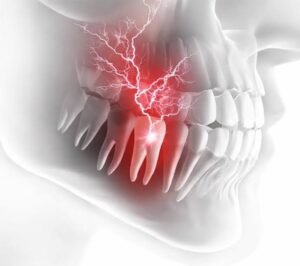
New figures showing that more than half of New Zealand adults are not attending regular dental check-ups should concern us for more reasons than simply unhealthy teeth.
According to the latest New Zealand Health Survey, 52 percent of adults either never visit the dentist or only go when a problem develops. At the same time, 42.6 percent reported they had been unable to access dental care because of cost.

There is no escaping the reality that dental treatment is expensive. For many families balancing mortgages, rent, food, power bills and fuel costs, a dental appointment can seem like a luxury rather than a necessity.
Yet the figures also highlight something deeper in our national character.
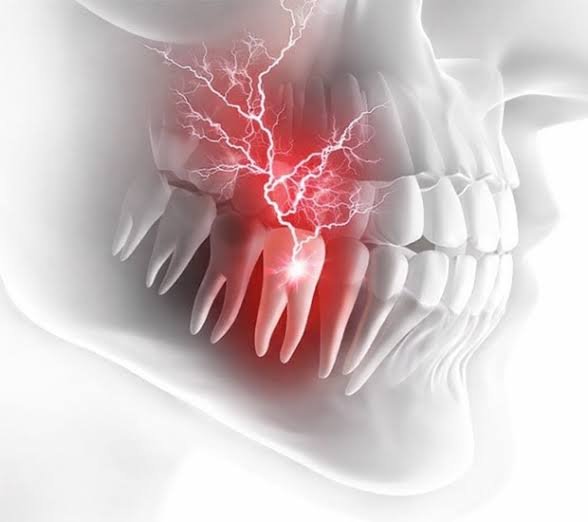
Many of us don’t act until pain forces us to.
We put off the dentist until a toothache arrives. We ignore health advice until a diagnosis is delivered. We delay exercise until our fitness declines. We postpone lifestyle changes until a warning from the doctor becomes impossible to ignore.
In many cases, prevention is available long before intervention becomes necessary.
That does not remove the debate about affordability. Preventative dental care is almost always cheaper than emergency treatment, both for individuals and society. Advocates point to billions of dollars in lost productivity and reduced quality of life associated with poor oral health. Those costs eventually affect everyone.
But while governments can help improve access, personal responsibility still matters.
Brushing, flossing, healthy eating, reducing sugar intake, regular check-ups and acting early when problems emerge are all choices available to most people long before the drill is needed.
The lesson extends beyond dentistry.
Whether the issue is physical health, finances, relationships, or even faith, people often ignore warnings until a crisis arrives. Wisdom, however, is found in addressing problems before they become emergencies.
The Bible consistently teaches stewardship. Our bodies are not merely possessions to use as we please; they are gifts entrusted to us by God. As Paul reminds believers, “Do you not know that your bodies are temples of the Holy Spirit?” (1 Corinthians 6:19).
Likewise, Proverbs observes that “The prudent see danger and take refuge, but the simple keep going and pay the penalty” (Proverbs 22:3). That principle applies just as readily to our health as it does to other areas of life.
Perhaps New Zealand’s dental statistics are revealing something larger than oral health.
Perhaps they reveal a culture that often waits for pain before pursuing wisdom.
The challenge is not simply finding better treatment when things go wrong. It is learning to value prevention before they do.
In health, as in faith, the wisest decisions are often made long before the crisis arrives.