



Sarah McMillan/cvnznews.com
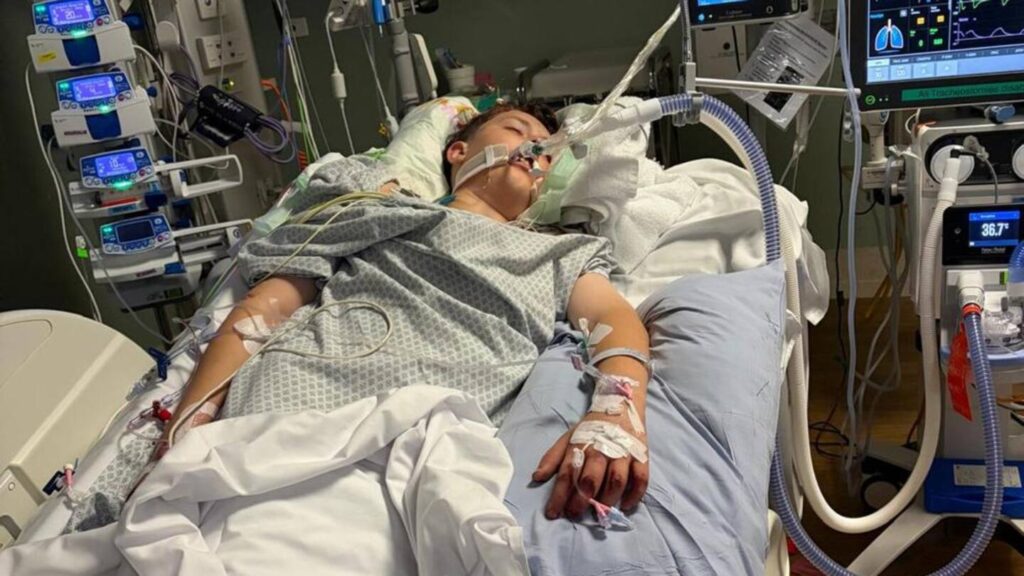
A 15-year-old remains in intensive care after surgeons removed part of his skull following an e-scooter crash. As youth injury claims continue to climb, questions remain over who is responsible for enforcing scooter safety rules.
Fifteen-year-old Jesse Roberts underwent emergency surgery after a crash in Paraparaumu left him with multiple traumatic brain injuries, skull fractures, bleeding on the brain, severe swelling, and a blood clot. Doctors were forced to remove a large section of his skull to relieve pressure on his brain.

His mother, Abbie Trillo, described the injuries as “diabolical” and said the family is taking recovery one day at a time.
While Jesse has been brought out of an induced coma and is now breathing independently, he remains in intensive care. His family faces an uncertain future, with doctors unable to predict the long-term effects of his injuries.
The tragedy has shocked many, but it also highlights a growing safety issue that receives comparatively little public attention.
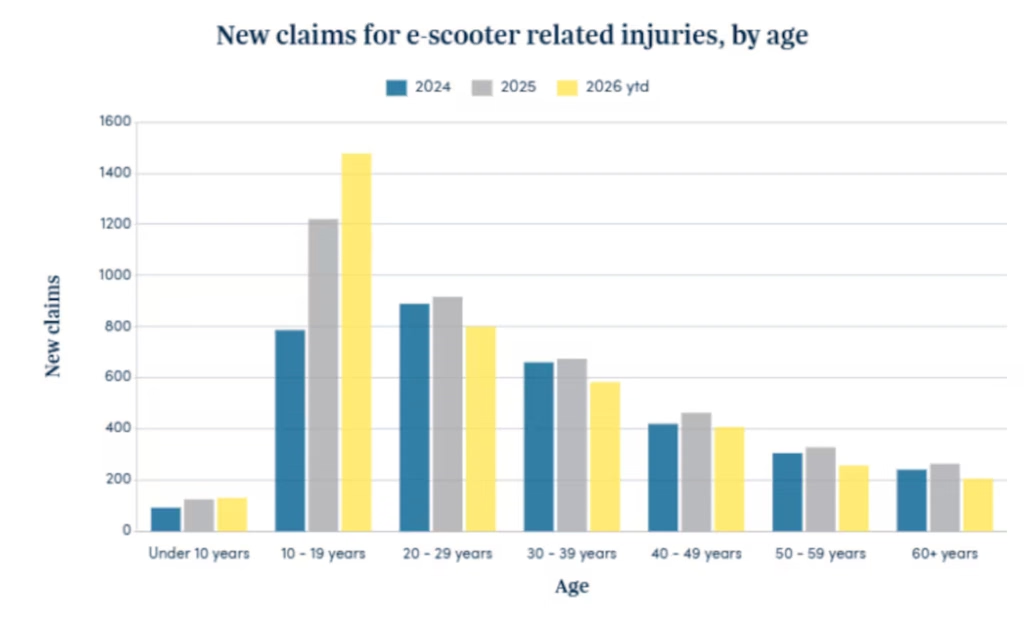
According to ACC figures, 3,865 new e-scooter injury claims had been lodged by September this year, alongside 4,314 active claims. Particularly concerning is the number of injuries involving young people.
The 10 to 19-year-old age group accounted for 1,478 injury claims, representing 38 per cent of all e-scooter claims recorded this year. The number has risen sharply from 787 claims in 2024 and 1,221 claims in 2025.
Those statistics raise an obvious question: if injury numbers are climbing year after year, who is responsible for ensuring safety rules are actually followed?
New Zealand’s roads and footpaths have become increasingly populated with e-scooters, yet enforcement often appears inconsistent. Helmet use is encouraged but generally not compulsory. Age restrictions vary depending on the operator or ownership of the device. Police have limited resources to monitor everyday scooter use, while councils and operators frequently focus on infrastructure and access rather than rider behaviour.
The result is a system in which responsibility is widely shared but accountability can be difficult to identify.
Parents are expected to supervise their children. Riders are expected to act responsibly. Scooter companies provide warnings and safety advice. Councils create bylaws and designated riding areas. Police can intervene when laws are breached.
But when serious accidents occur, families are often left asking whether enough was done to prevent them.
Jesse’s mother hopes others will learn from her son’s ordeal.
“When you’re experienced at riding things like dirt bikes and safety, it’s easy to think an e-scooter isn’t that dangerous,” she said.
Her warning comes at a time when injury statistics suggest many New Zealanders may still underestimate the risks.
Few families imagine a casual ride with friends could end with emergency brain surgery and months or years of rehabilitation. Yet for Jesse Roberts and his family, that possibility became reality in a matter of moments.
The question now is whether policymakers, councils and communities will treat these figures as a warning sign, or whether rising injury numbers will continue to be accepted as an unavoidable cost of convenience.