


Mike Bain/cvnznews.com
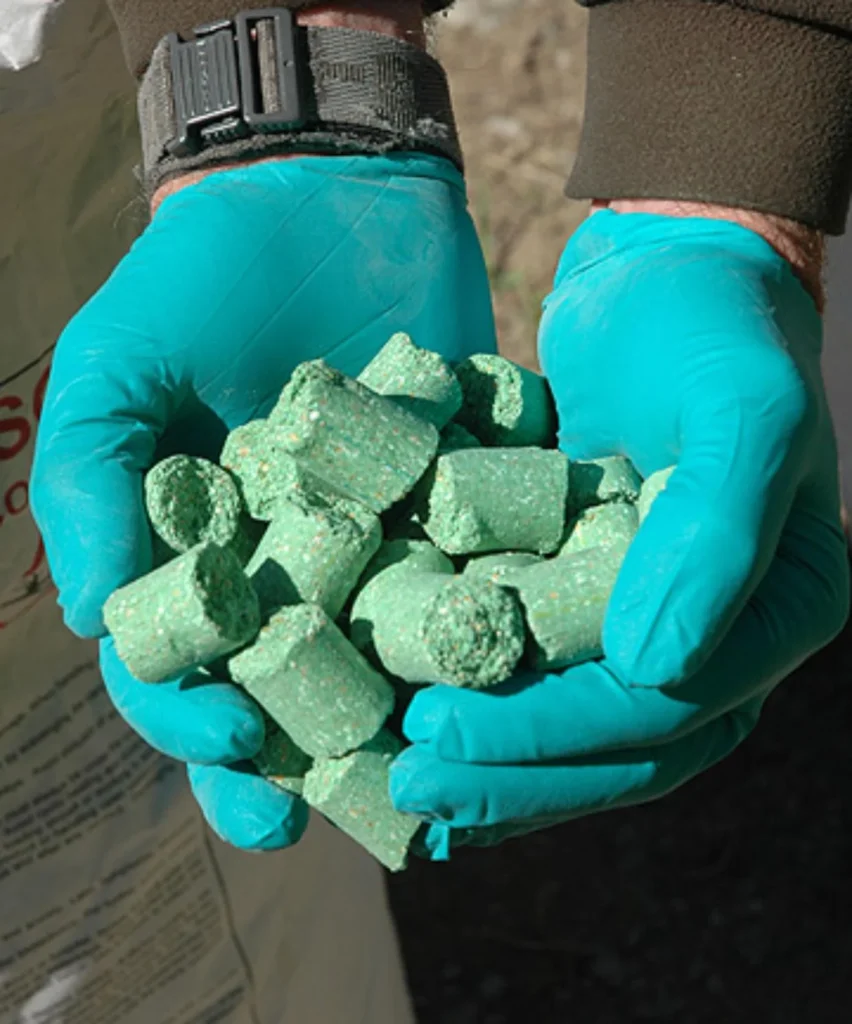
The use of aerial 1080 declined across New Zealand in 2025, with fewer operations carried out, less land treated, and a reduced quantity of poison used, according to the Environmental Protection Authority’s latest annual report.
The EPA reported that 56 aerial 1080 operations were conducted during 2025, covering 976,337 hectares. This was down from 65 operations and more than one million hectares treated in 2024.
According to the EPA, the reduction was largely driven by the absence of a significant beech mast event. Mast years occur when native beech forests produce unusually large seed crops, creating a food boom for introduced pests such as rats and possums. The resulting population explosion typically requires more intensive pest-control measures.
Mast Event
The EPA attributed much of the decline to the absence of a major beech mast event. A mast occurs when beech trees produce unusually large quantities of seed, creating an abundant food source for pests such as rats and mice. Their populations can then surge, followed by increases in predators such as stoats. Conservation agencies often respond with additional pest-control operations, including aerial 1080 drops, to protect native birds and wildlife.
EPA Acting Compliance, Monitoring and Enforcement General Manager Brian Ruiterman said the elevated use of 1080 in the previous period was linked to pest management responses following mast conditions during late 2023 and early 2024.
The West Coast recorded the largest area of aerial 1080 treatment in 2025, with 457,819 hectares covered. Tasman and Southland followed with 122,130 hectares and 116,303 hectares respectively.
Rats were the most commonly targeted pest, followed by possums. Other operations targeted species including rabbits, wallabies, mustelids, and feral cats in various regions around the country.
No aerial 1080 drops were reported in Auckland, Gisborne, Nelson, or Marlborough during the year.
The Department of Conservation remained the largest commissioner of aerial 1080 operations. Other organisations funding operations included Zero Invasive Predators, OSPRI, Environment Canterbury, and a number of other regional entities.
The EPA also reported a slight decrease in complaints and incident notifications. Twenty-five notifications relating to 14 operations were received during 2025, compared with 29 notifications covering 17 operations in 2024.
Of the matters reviewed, ten required further enquiries to assess compliance with regulatory controls. Five advice letters were issued to operators regarding their obligations and compliance expectations.
While 1080 remains one of New Zealand’s primary tools for large-scale pest control, the EPA said research into alternative pest-management options continues. During 2025, one new research project commenced, 11 projects were completed, and 22 projects remained ongoing.
The annual report comes amid continuing public debate over the use of 1080, with supporters arguing it remains the most effective method for controlling invasive predators across large and inaccessible areas, while critics continue to raise concerns about environmental impacts and broader pest-control strategies.