



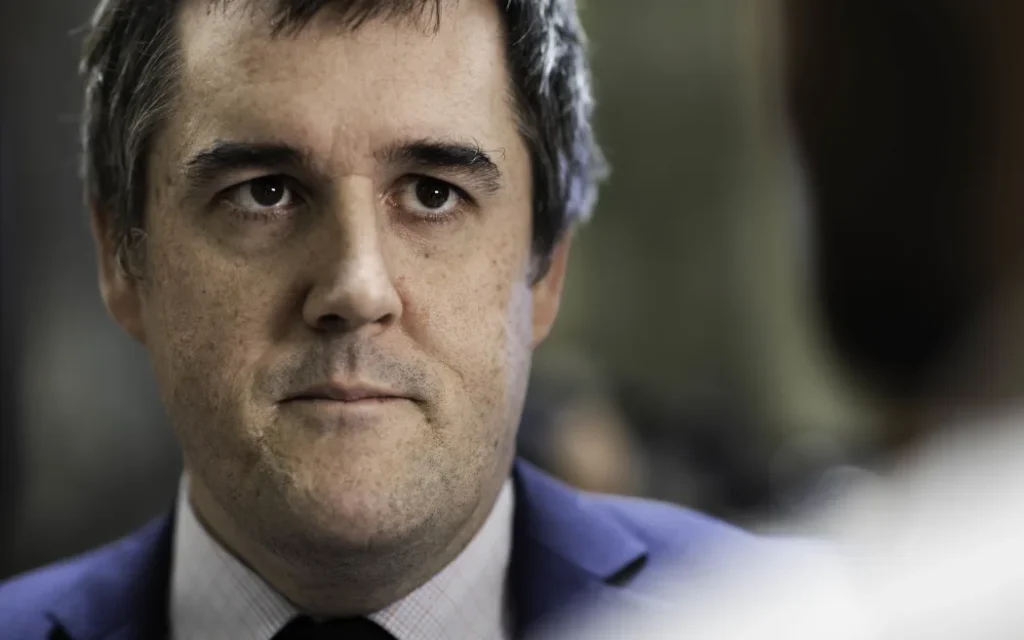
Colin Ambler/cvnznews.com
Speaking in his first extended interview since losing both his ministerial role and the Hutt South electorate, former National MP Chris Bishop has warned his party against becoming overly reliant on support from older, wealthier New Zealanders.
In an interview with The Post’s Henry Cooke, Bishop reflected on National’s election defeat, policy successes and failures, and the challenges facing the party’s future.
Bishop said National’s sharp drop in party vote support, from around 38 percent to 28 percent, highlighted the need to reconnect with a broader range of voters, particularly younger New Zealanders struggling to achieve home ownership.
“The National Party can’t just become the party of the moneyed 60-plus age group,” Bishop told The Post, noting that older voters have traditionally been a strong support base for the party.
He argued that improving housing affordability would be essential if National wanted to remain the party of aspiration and home ownership.
Reflecting on his own electoral loss, Bishop pointed to public service job cuts and widespread frustration with sluggish economic and wage growth.
“You can outrun your party, but only up to a point,” he said.
Bishop also acknowledged mistakes made during the Government’s local government reforms, telling The Post that planning changes had suffered from “good intentions but poor execution.”
Looking ahead, he cautioned against attempts by political parties to manipulate electoral overhang provisions for political advantage, warning such tactics could trigger an escalating cycle of electoral engineering.
“That way lies chaos for the New Zealand electoral system because it will just become a race to the bottom,” he said.
Despite his defeat, Bishop has not ruled out returning to politics in the future. However, he indicated no immediate plans, saying he would remain living in the Hutt while keeping his options open.
“I’m not ruling anything in, I’m not ruling anything out, because I think you’re a fool if you make hard and fast predictions,” he told The Post.