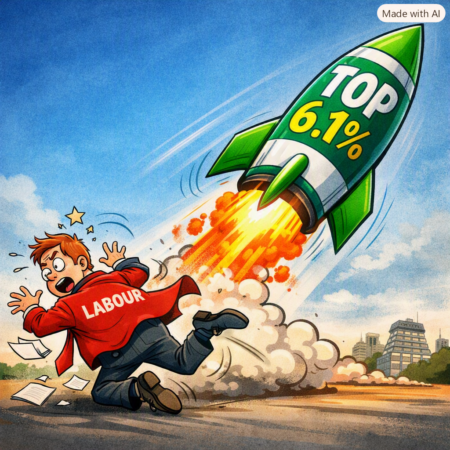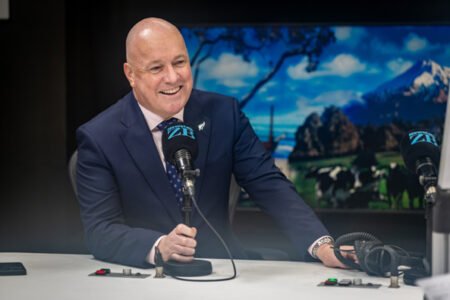




The Government has launched an independent review into New Zealand’s monetary policy response during the Covid‑19 pandemic — a move that has drawn sharp commentary from across the political spectrum, particularly from the Labour Party.
Finance Minister Nicola Willis says the review aims to identify lessons that could strengthen New Zealand’s response to future economic shocks. She emphasises that an independent process is essential to ensuring “objective and constructive” conclusions.
What the Review Covers
During the pandemic, the Reserve Bank reduced the Official Cash Rate (OCR) to 0.25% and deployed additional tools including the LSAP programme — effectively injecting tens of billions of dollars into the financial system.
Willis acknowledges that these measures “helped to preserve jobs and keep businesses afloat,” but also points to the indirect consequences:
- Decades‑high inflation
- A 30% surge in house prices in a single year
- An estimated $10.3 billion loss on the LSAP programme
The review will be led by two international experts:
- Dr Athanasios Orphanides, former governor of the Central Bank of Cyprus and MIT professor
- David Archer, former Reserve Bank assistant governor and former head of Central Banking Studies at the Bank for International Settlements.
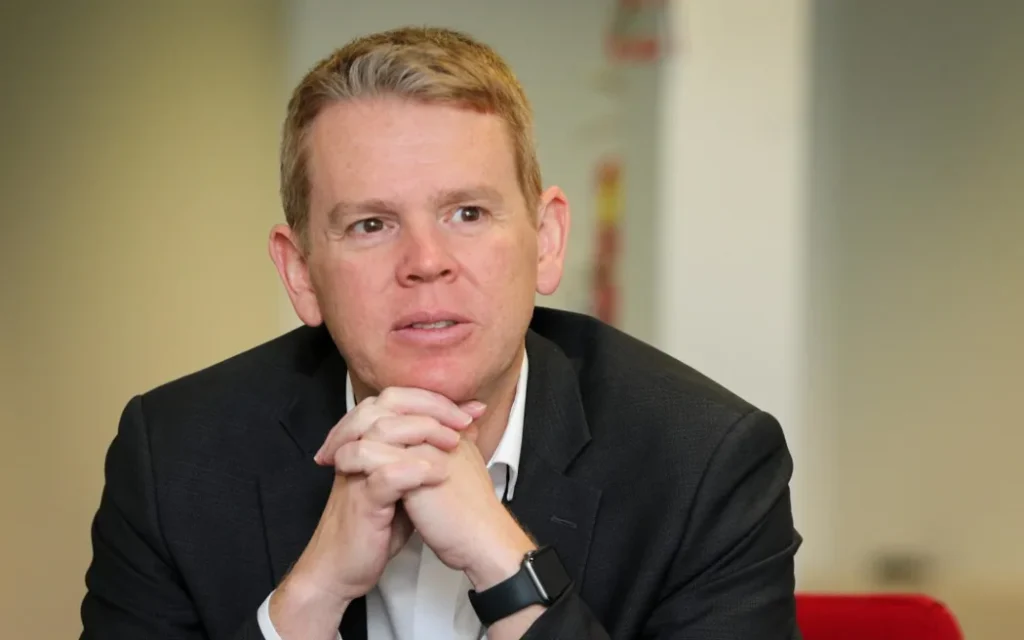
Labour’s Reaction: “A Politically Motivated Exercise”
While the Government frames the review as a neutral learning exercise, Labour MPs have been quick to question both its timing and intent.
Labour’s finance spokesperson has argued that the review risks becoming a political tool aimed at discrediting decisions made during an unprecedented global crisis. Their position is that the Reserve Bank acted in line with international best practice, and that New Zealand’s economic outcomes — including employment protection and business survival — compare favourably with other advanced economies.
Labour figures have also suggested that the Government is selectively highlighting the costs of the LSAP programme while downplaying the benefits, such as preventing mass unemployment and business collapse. They argue that inflation was driven by global supply shocks, not solely domestic monetary policy, and that the Government’s narrative oversimplifies a complex economic environment.
Some Labour MPs have further questioned whether the review duplicates existing oversight mechanisms, including the Reserve Bank’s own internal evaluations and the scrutiny already applied by Parliament’s Finance and Expenditure Committee.
Government Pushes Back: “This Is About Learning, Not Blame”
Willis has rejected claims of political motivation, insisting the review is forward‑looking rather than retrospective finger‑pointing. She maintains that New Zealand must be better prepared for future crises and that the scale of the LSAP losses alone justifies a deeper examination.
Government supporters argue that the public deserves transparency around decisions that had far‑reaching economic consequences, including inflationary pressures that continue to affect households.
Experts Divided on the Need for a Review
Economists and policy analysts are split.
Supportive voices say:
- The LSAP programme was unprecedented and warrants independent scrutiny.
- New Zealand’s inflation spike was unusually sharp compared with some peer economies.
- Understanding the interaction between fiscal and monetary policy during the pandemic is essential for future crisis planning.
Critical voices argue:
- The review risks politicising the Reserve Bank’s independence.
- Many of the outcomes being criticised were unavoidable given global conditions.
- The Government may be using the review to shift blame for current economic challenges.
What Happens Next
The review team will begin gathering evidence immediately, including:
- MPC meeting records
- Reserve Bank analysis
- External economic data
- International comparisons
The final report will be delivered in August 2026 and released publicly in September.
Given the political heat already surrounding the announcement, the findings are likely to become a major talking point heading into the next election cycle.