




A compulsory KiwiSaver overhaul, baby bonuses and higher contributions are on the table — and Luxon is daring the Opposition to explain why they’d stand in the way.
Mike Bain/cvnznews.com
The government has fired the starting gun on what could become the biggest reset of KiwiSaver since the scheme was created — and Prime Minister Christopher Luxon is daring the Opposition to argue against it.
National has confirmed it will campaign on making KiwiSaver compulsory if re‑elected. The package includes automatic enrolment for newborns, a $1500 Baby Boost payment, and compulsory employer contributions for workers over 65. It’s a bold move in a country where retirement policy has been treated like a political football for decades.
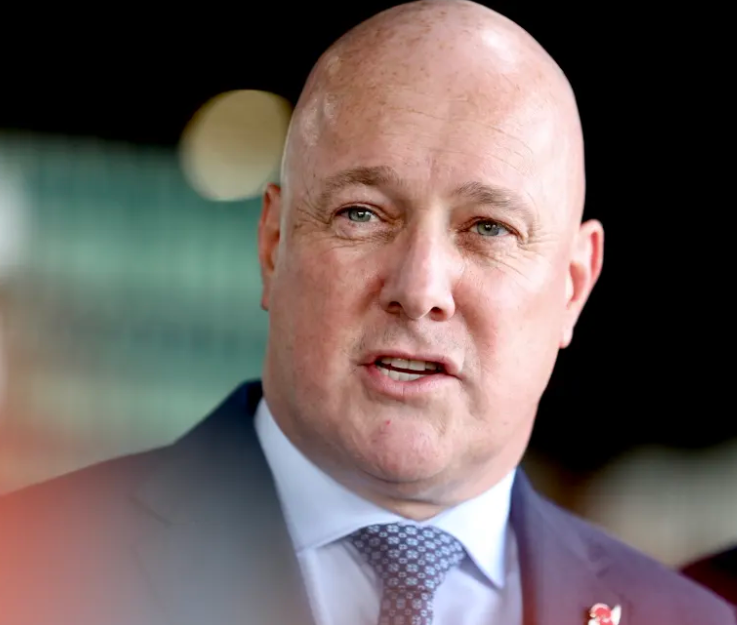
Luxon says the time for tinkering is over. He points to Australia’s compulsory superannuation model — now worth trillions — as proof that long‑term discipline pays off. “The sooner people get invested and benefit from compounding returns, the better their retirement will be,” he told RNZ. He argues the changes are “common sense” and should be above partisan sniping.
What’s Actually Being Proposed
National’s package centres on four pillars:
- Compulsory KiwiSaver for all working-age New Zealanders.
- Automatic enrolment of babies, with a one-off $1500 government contribution to kickstart their savings.
- Compulsory employer contributions for over‑65s, ending the current opt‑out loophole.
- Higher default contribution rates, though the exact numbers are still to be unveiled.
The party is also signalling it will raise the superannuation age, though Luxon insists universal superannuation itself is not on the chopping block.
The estimated cost — around $300 million a year — would be funded from existing Budget operating allowances.
Why Cross‑Party Support Matters
This is where the politics gets interesting.
Former Fonterra and Mercury executive Fraser Whineray — whose own KiwiSaver reset proposal included a $5000 birthright investment — has warned that retirement policy only works if it survives multiple governments. Someone born next year won’t retire until 2092. That’s 21 elections. No scheme can survive that long if every new government rewrites the rules.
Luxon agrees. He wants a “cemented” framework that doesn’t swing wildly with each electoral cycle. “Can we get some agreement or commonality?” he asks. “These are fairer settings for everyone.”
The Positives — and Why Many Economists Will Nod Along
Supporters argue the package:
- Builds long-term wealth, especially for low-income families who currently miss out.
- Reduces pressure on future taxpayers, who will otherwise shoulder the cost of an ageing population.
- Creates intergenerational fairness, giving every child a financial head start.
- Aligns New Zealand with Australia, whose compulsory super system is widely regarded as world‑leading.
Even New Zealand First — never shy of claiming credit — says National is “copying” its own policy of compulsory KiwiSaver and newborn payments. That alone shows how much ideological overlap exists.
And Then Come the Bleating Voices
Of course, no major reform lands without noise.

Labour leader Chris Hipkins says National “doesn’t have a leg to stand on” after scrapping the original $1000 kick-start payment in 2015. ACT’s David Seymour is raising questions about lifting default contribution rates. And some critics argue compulsory savings reduce take‑home pay at a time when households are already squeezed.
But Luxon is betting that most New Zealanders — and eventually most MPs — will see the long game. He frames the objections as short-term politics getting in the way of long-term responsibility.
The Real Question
Is New Zealand finally ready to treat retirement savings as a nation-building project rather than a partisan battleground?
If National can secure genuine cross‑party buy‑in, KiwiSaver could shift from a “nice-to-have” to a cornerstone of New Zealand’s economic future. If not, the country risks another generation of stop-start policy — and another round of political point-scoring while the retirement savings gap widens.