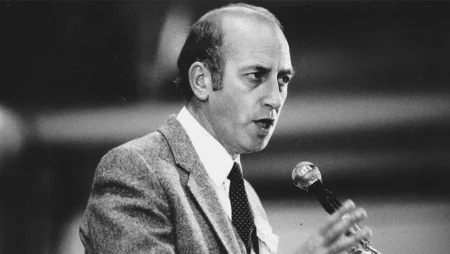





Sarah McMillan/cvnznews.com
The Opportunity Party is warning that proposed changes to New Zealand’s conservation laws risk shifting the balance away from environmental protection and towards economic development, unless significant amendments are made.
In a submission on the Government’s Conservation Amendment Bill, the party says New Zealand’s public conservation estate is one of the nation’s greatest assets, providing protection for native wildlife, supporting tourism and recreation, safeguarding water quality, storing carbon and strengthening resilience against climate change.
While Opportunity supports efforts to make the conservation system more efficient, it argues the legislation goes beyond simple administrative reform and could fundamentally reshape the purpose of conservation management in New Zealand.
The party says the current concessions process administered by the Department of Conservation can be slow, costly and overly complex. It supports streamlining procedures where appropriate and allowing greater flexibility in conservation management planning.
However, Opportunity believes efficiency gains must not come at the expense of environmental safeguards.
In its submission, the party raises concerns that the Bill could place increased emphasis on enabling commercial development on public conservation land while reducing some of the protections and oversight mechanisms currently in place.
As a result, Opportunity says it could not support the legislation in its current form.
The party is calling for conservation to remain the Department of Conservation’s primary purpose, rather than requiring economic development to be enabled “to the greatest extent practicable”.
It also wants natural capital, including ecological, recreational and cultural values, to be measured and considered alongside economic benefits when major developments are proposed on conservation land.
Opportunity is further seeking stronger checks and balances by retaining meaningful roles for the New Zealand Conservation Authority and Conservation Boards, while ensuring the public continues to have a voice in significant conservation decisions.

The party is also advocating for stronger recognition of Treaty obligations, calling for earlier and better-resourced engagement with iwi and hapū during decision-making processes.
Despite its criticism of the Bill, Opportunity says it is not opposed to reform. Instead, it wants a conservation system that is both efficient and effective, while keeping biodiversity protection at its core.
“Our public conservation lands and waters are among our country’s greatest assets,” the party said.
“The goal should be a conservation system that is more agile and responsive, but one where protecting indigenous biodiversity and preserving ecological integrity remain paramount for future generations.”