





Colin Ambler, Mike Bain/cvnznews.com
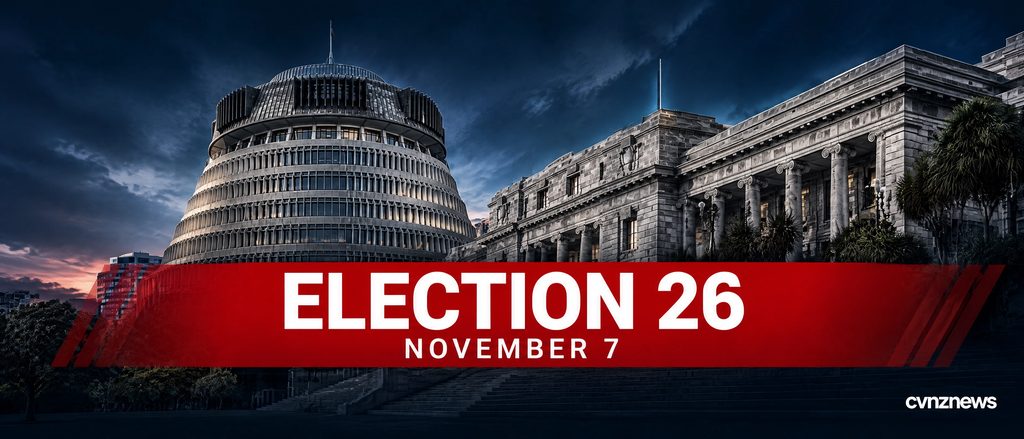
Today marks one of the most significant moments of the election campaign, with the release of the Treasury’s Pre-election Economic and Fiscal Update (PREFU) set to reveal the true state of New Zealand’s finances and potentially reshape campaign promises across the political spectrum.
The independent report, prepared by the Treasury, provides the most authoritative snapshot of the Government’s books before voters head to the polls in November. It outlines the country’s economic outlook, fiscal position and the risks facing New Zealand in the years ahead.
Political parties across Parliament have been eagerly awaiting the release, knowing the figures could either support or undermine the spending promises they have been making during the campaign.
Finance Minister Nicola Willis hinted earlier this week that the report may contain some encouraging news.
“I won’t say too much today about it. I want there to be some surprise, but let’s put it this way: you’ll like what you see,” Willis told reporters.
Labour has already indicated it will wait until the PREFU is released before unveiling its final fiscal plan, underscoring just how influential the Treasury’s assessment remains in determining what policies can realistically be afforded.
While the major parties anxiously await the verdict on the nation’s finances, smaller parties are also beginning to reveal what they would demand in any coalition negotiations.
The Opportunity Party (TOP) leader Qiulae Wong today outlined five key “bottom lines” her party would seek in exchange for supporting a future government.

Those policies include stronger powers and greater independence for the Commerce Commission to tackle excessive market power in sectors such as supermarkets, new rules regulating lobbying and capping political donations, a 10-year health plan developed alongside health professionals, the immediate beginning of a phase-out of bottom trawling, and a recommitment to New Zealand’s Paris Agreement climate obligations while protecting the independence of the Climate Change Commission.
Wong also reiterated an earlier coalition condition that was notably absent from today’s formal list, saying she would not support a government in which Winston Peters served as Foreign Minister.
However, several questions remain unanswered. TOP has not specified exactly what new powers it wants the Commerce Commission to receive, nor has it revealed what level political donations should be capped at.
The timing of TOP’s announcement is significant. As the PREFU lands, parties across the political landscape face increasing pressure to demonstrate not only what they want to do, but how they intend to pay for it.
For voters, today’s Treasury update may prove one of the clearest indications yet of whether the promises filling campaign speeches and policy launches are grounded in fiscal reality or hopeful political ambition.
With coalition arithmetic likely to play a decisive role after election day, both the state of the books and the bottom lines of smaller parties could become crucial factors in determining who ultimately forms the next government.