


Mike Bain/cvnznews.com
Finally, Labour Releases Its Fiscal Plan… But Oh Boy, It’s Expensive
After weeks of unveiling policy promises, the Labour Party has finally revealed how it says it will pay for them all. The verdict? A spending programme that runs into tens of billions of dollars and places a huge amount of faith in future economic growth and government management.
At the centre of Labour’s fiscal plan is a commitment to maintain annual operating allowances of $2.4 billion, matching the level already set by Finance Minister Nicola Willis. Labour insists all of its election promises can fit within that spending envelope while still returning the Government’s books to surplus by the 2028/29 financial year.
That is a bold claim considering the scale of commitments already announced.
Labour’s plan shows around $23 billion in spending commitments over the next five years. The biggest share goes to health, with a massive $13 billion package aimed at sustaining and expanding the health system. Added to that is $1.75 billion for free GP visits and another $300 million to restore free prescriptions.
One of the most politically significant announcements is Labour’s commitment to immediately increase wages for care and support workers. If elected, the party says workers will receive a $4-an-hour pay rise from January 1, worth about $8,320 annually for a full-time employee.
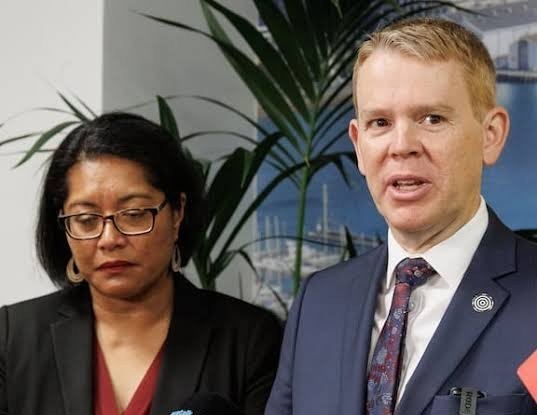
Labour leader Chris Hipkins says the increase is justified because proposed pay equity settlements were interrupted when the Equal Pay Act was changed last year. He argues many care and support workers remain on wages barely above the minimum wage despite performing some of society’s most demanding and valuable work.

However, questions remain about the full cost of Labour’s broader pay equity promises. The fiscal plan does not specify how much money has been set aside to reinstate the pay equity system, despite unions suggesting eventual settlements could involve wage increases of between 24 and 38 percent for some workers.
The plan also includes promises to freeze fuel tax increases for three years and cap weekly public transport fares at $20 in Auckland, Wellington and Christchurch, with a $10 cap elsewhere.
Critics are likely to focus on what’s missing. Labour has spoken about finding efficiencies and savings across the public sector, but has offered little detail on where those savings will come from. The party has also reserved nearly $1 billion for future campaign announcements before polling day.
As voters weigh their options, Labour is betting that New Zealanders will see its spending promises as necessary investment. Opponents will see something else entirely: a very expensive shopping list with plenty of unanswered questions about who eventually picks up the bill.