



Sarah McMillan/cvnznews.com
India has been added to the latest CIVICUS Monitor Watchlist, following what researchers describe as a rapid deterioration in civic freedoms during Prime Minister Narendra Modi’s third term. The global watchdog says the country is now experiencing escalating pressure on activists, independent media, civil society organisations, and critics of the government.
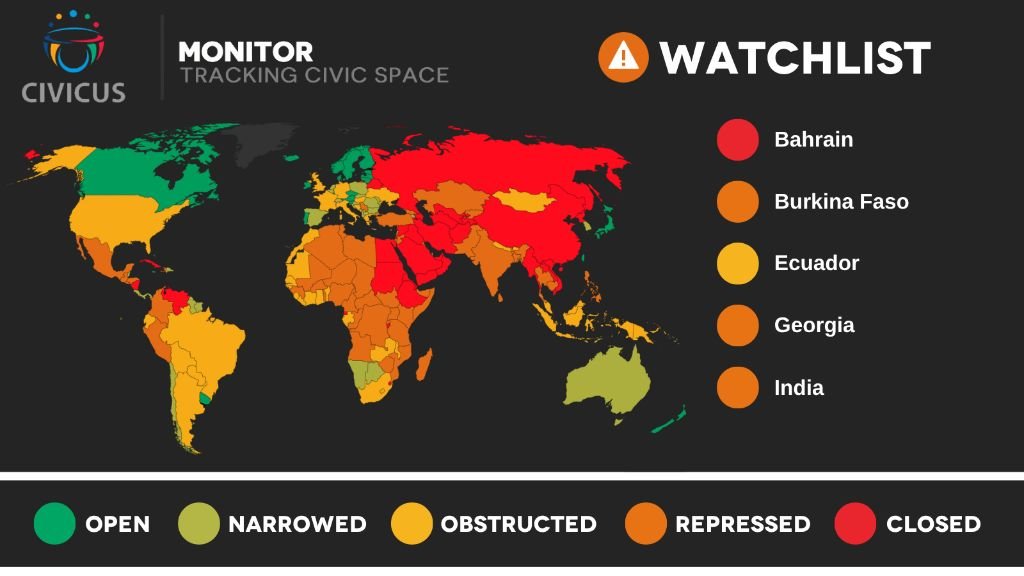
India is currently rated “Repressed” by the CIVICUS Monitor — the second‑worst category available. Countries in this category face severe restrictions on freedom of expression, peaceful assembly, and association. The latest Watchlist also includes Bahrain, Burkina Faso, Ecuador, and Georgia.
Human‑rights groups say Indian authorities have stepped up detentions of activists and campaigners. In March 2026, eleven people — including students, labour advocates, and anti‑displacement organisers — were detained by Delhi Police officers reportedly without warrants or notification to families. Some detainees were allegedly subjected to torture and ill‑treatment.
The government has also continued using the Unlawful Activities (Prevention) Act (UAPA), a sweeping anti‑terror law, against activists. The National Investigation Agency renewed its pursuit of defendants in the long‑running Bhima Koregaon case in April, while activists Umar Khalid and Sharjeel Imam were again denied bail in June after years in pre‑trial detention.
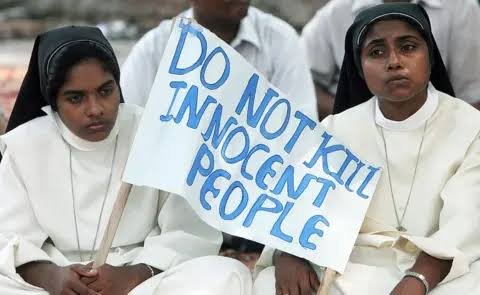
Freedom of assembly has come under increasing strain. Police were accused of using excessive force during an April protest by factory workers in Noida, Uttar Pradesh, leading to more than 300 detentions. Similar force was reported at a July demonstration by the youth‑led Cockroach Janta Party, which campaigns for education and employment reforms.
Journalists and media outlets have faced mounting restrictions. Investigative reporter Ravi Nair received a one‑year prison sentence in February in a criminal defamation case linked to posts critical of the Adani Group. Police investigations have also targeted digital outlets, while the office of a regional newspaper was attacked after criticism of a state leader.
Proposed amendments to India’s Information Technology Rules could significantly expand censorship powers, according to the Committee to Protect Journalists. In July, authorities banned the film Satluj less than 48 hours after release.
NGOs are also facing tighter controls under amendments to the Foreign Contribution (Regulation) Act (FCRA), adopted in June. The changes expand government authority over NGO assets, impose new reporting requirements, and further restrict foreign involvement.
Civic freedoms remain especially constrained in Jammu and Kashmir, where activists and journalists face UAPA charges, internet access is throttled, and human‑rights‑focused social media accounts are targeted. Three publishers were arrested earlier this month over allegedly objectionable material.
CIVICUS says India’s trajectory reflects a sustained effort to limit dissent, restrict civil society, and expand state control over speech and activism.