

Partner News Agency
Rt. Hon. Stephen Hajara, spokesperson for the Kauru Local Government Legislative Council and Councilor representing Kamaru ward in Southern Kaduna, has called for immediate security intervention after Islamic extremists killed 30 Christians in the village of Naridon in Kaduna state.
“Every month, we bury our people,” Hajara told International Christian Concern (ICC). “Last month, we buried 11 people, including children; now, another mass burial of 30. Enough is enough, please! Please come to our aid!”
Hajara condemned the killings and urged security agencies to identify, arrest, and prosecute those responsible. She appealed directly to Nigerian President Bola Tinubu and Kaduna State Governor Uba Sani to deploy more security personnel to rural communities in Kamaru ward and other vulnerable communities in Kauru Local Government.
“If these killings continue, the Christian population will keep shrinking,” she said. “A day may come when terrorists wipe out Christian communities from this area.”
Hajara added that the killings will also reduce the number of Christians who can participate during elections.
She also asked Nigeria’s federal government to strengthen its security partnership with the United States. She called on U.S. President Donald Trump and the international Christian community to support Christians facing repeated attacks in Nigeria.
“We need protection, humanitarian aid, and international support,” Hajara said. “The people of Kauru cannot continue to bury their families every month.”
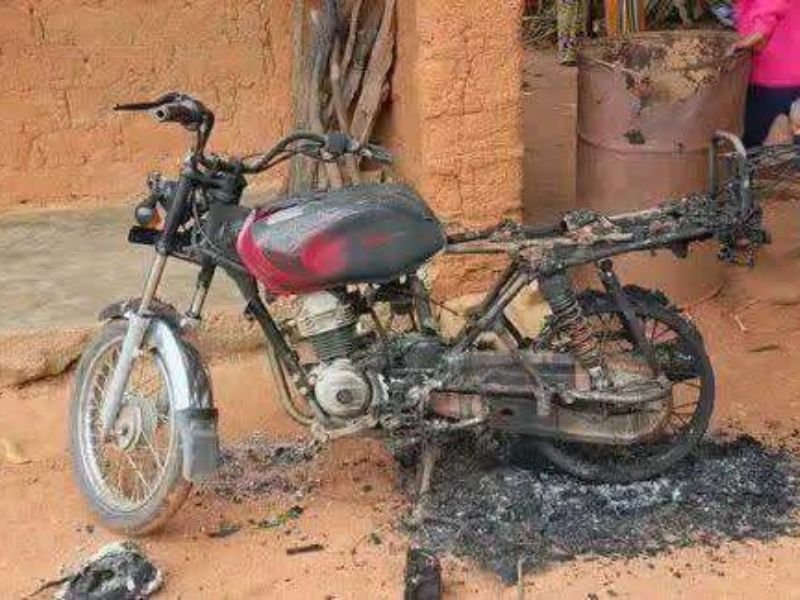
Gunmen entered Naridon late Sunday, July 26, and continued their assault into the early hours of Monday, July 27. Residents said the attackers opened fire on people inside their homes and set several houses ablaze as families fled into nearby fields and bushes.
Reports confirmed that at least 30 people died, including eight children. Several residents suffered injuries. Security personnel reportedly reached the village hours after the attackers had left.
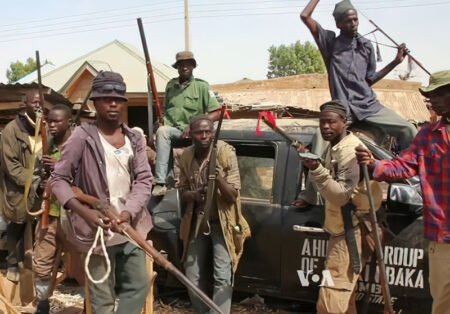
Some community members described the attackers as suspected Fulani ethnic militants. However, no group had claimed responsibility, and Nigerian authorities had not publicly identified the assailants at the time of reporting.
Community sources Ibrahim John and Mallam Katuka said search teams continued to recover bodies from homes, farms, and surrounding bush areas on Monday. They warned that the number of people killed could rise because several residents remained missing.
Amnesty International condemned the attack and said assailants pursued some residents who attempted to escape into the bush. The organization reported that recovery teams continued to find bodies in homes and nearby farmland while families searched for missing relatives.
Daniel Sunday, a community resident, alleged that soldiers stationed less than five miles from Naridon failed to respond while the attack continued. He said the gunmen moved through the village, entered homes, killed residents, and burned buildings.
Residents transported the bodies of the victims to a nearby hospital and began making burial arrangements on Monday. Some injured survivors received treatment at undisclosed medical facilities because community leaders feared further attacks.
Governor Uba Sani condemned the killings and directed security agencies to intensify operations to find the attackers and bring them to justice. He also instructed the Kaduna State Emergency Management Agency to provide immediate relief and humanitarian support to affected families.
The Kaduna State Government said it would work with the Plateau State Government, security agencies, traditional leaders, and other stakeholders to strengthen security along the Kaduna-Plateau border. Naridon lies near Ganawuri in Riyom Local Government Area of Plateau state.
The government also asked residents to provide security agencies with credible information that could assist investigations and ongoing operations.
The Naridon attack followed another assault in Kamaru Ward on June 16. In that incident, suspected gunmen killed nine people, including four children, and injured 11 others in Ungwan Magaji community. Residents had requested additional security personnel, regular patrols, intelligence operations, medical assistance, and humanitarian support after that attack.
Authorities had not announced any arrests connected to the Naridon killings at the time of publication. Search, recovery, and burial preparations remained underway.