



Colin Ambler/cvnznews.com

Labour has unveiled a new election policy promising millions more in taxpayer-funded support for sport and community activities, arguing the investment will help reduce screen time and improve children’s wellbeing.
The Opposition says too many New Zealand children are spending their childhoods behind screens while rising costs have put sport, hobbies and community activities out of reach for many families.
Under the proposal, Labour would invest an additional $3 million a year into Active Me – Kia Tū, a programme that provides grants of up to $300 to help families cover the costs of sports registrations, uniforms and equipment. A further $4 million annually would be directed to Tū Manawa Active Aotearoa, which supports clubs and organisations delivering after-school activities.
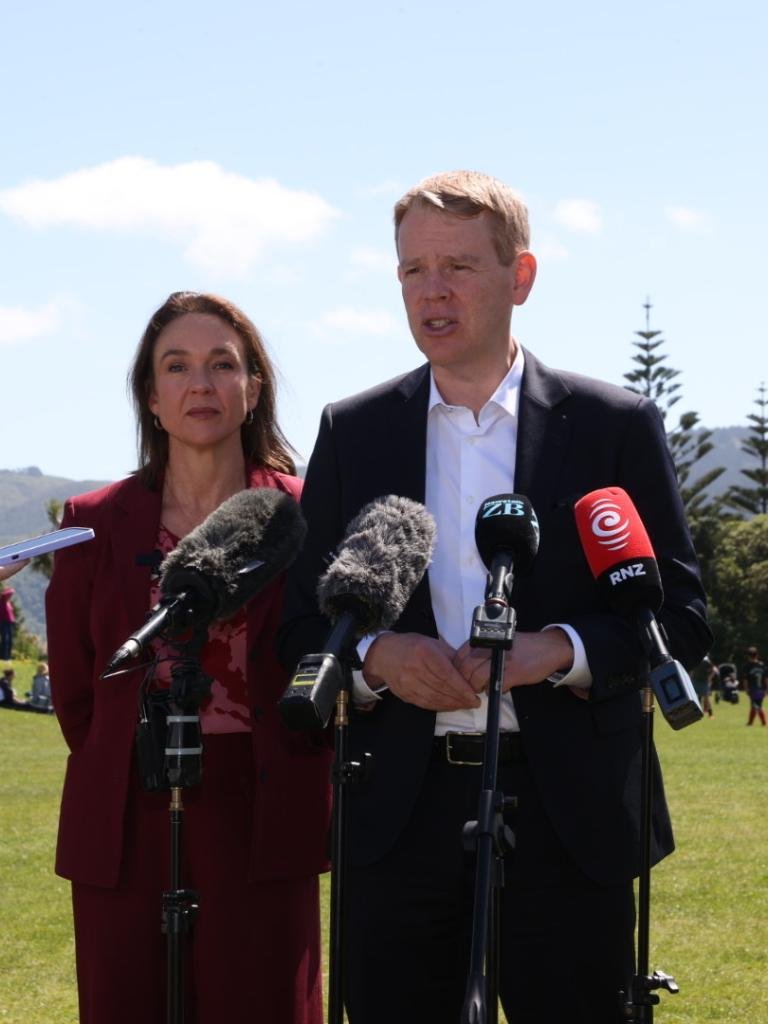
Labour Leader Chris Hipkins said the aim was to give children more opportunities to be active, socialise and participate in real-world activities rather than spending increasing amounts of time online.
“We want kids to have more opportunities to get out, get active, make friends, and enjoy being kids while making sure they’re safer online,” Hipkins said.
The policy also seeks to tighten expectations around screen use in schools and early childhood education. Labour would work with educators, health experts and young people to update Ministry of Education guidance on appropriate screen use, while requiring schools and kura to implement clearer policies governing when and how digital devices are used in classrooms.
Importantly, Labour says it would retain the classroom cellphone ban introduced by the current Government.

The party also wants existing online safety resources, including the free Switch on Safety filter and Digital Guardian Guide, to be made easier for parents to access and use at home.
Education spokesperson Ginny Andersen said the policy was about keeping pace with technological change while protecting children from online harms.
National has also moved into the screen-time debate, announcing its own proposals to restrict screen use in early childhood education and limit its use in primary schools.
For Christian families, the discussion highlights a broader challenge. While technology brings undeniable benefits, many parents will welcome efforts to encourage children back into sports fields, community groups and face-to-face friendships. The question voters may ask is whether another $7 million of taxpayer spending is the best way to achieve that goal.