



Mike Bain/cvnznews.com
The Opportunity Party says New Zealanders are tired of watching health and education swing like a political pendulum every three years — and is promising long‑term stability through cross‑party 10‑year plans if elected in 2026.
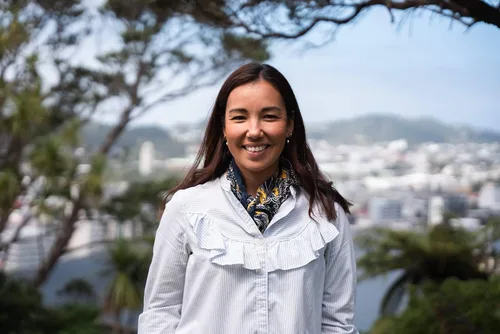
Leader Qiulae Wong says the idea is simple: stop treating hospitals and classrooms like political footballs, and start giving frontline workers a roadmap they can actually follow.
“Everyone should get healthcare when they need it. Parents should be able to trust their children are getting a great education,” Wong said. “But every time the government changes, the direction changes. Meanwhile our young people and our most vulnerable suffer.”
The party wants all political parties — left, right and everything in between — to sit at the same table and agree on decade‑long plans for both sectors. The proposal includes clear goals, accountability for who delivers them, and regular measurement so voters can see what’s working and what’s not.
So what’s in it for the average voter?
For health, Wong says success would mean fewer people getting sick in the first place, shorter waits, less pressure on emergency departments, and a workforce that isn’t constantly running on fumes. In other words: fewer 12‑hour ED waits, fewer “sorry, no GP appointments this week”, and fewer burnt‑out nurses heading for Australia.
For education, the party promises a system parents can trust — one where teachers are supported, kids learn the skills they actually need, and classrooms aren’t constantly reinventing themselves every election cycle.
Outside voices say the idea has merit. Education researcher Dr. Maia Ruru says long‑term planning is “the missing ingredient” in a system that has been “rewritten more often than a Year 10 essay”. Health advocate James Tane agrees, saying stability could help rebuild a workforce “held together by goodwill and caffeine”.
Wong says New Zealand has the talent to build world‑class systems — it just needs politicians willing to stop tinkering and start planning.
“Our job is to give them clear direction, back them properly, and stick with it long enough to deliver better outcomes,” she said.
Whether voters buy the pitch will be tested in 2026 — but the promise of fewer political U‑turns may be enough to turn some heads.