


Colin Ambler/cvnznews.com.
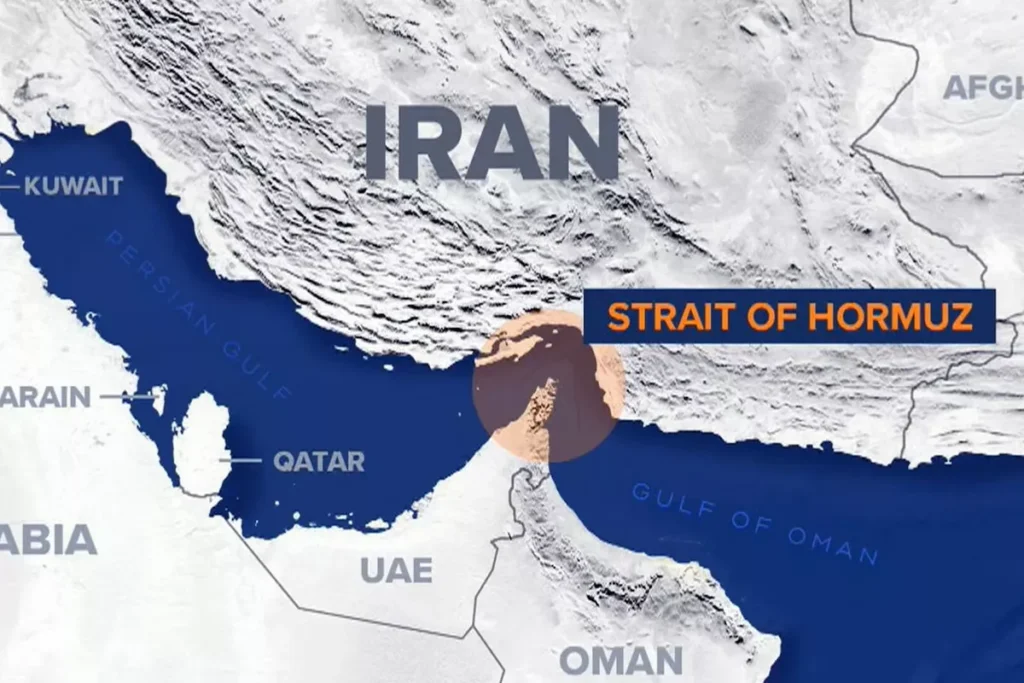
Iran has declared that conditions in the Strait of Hormuz “will never go back to the way they were before the war,” raising fresh questions about global energy security — including New Zealand’s own fuel resilience.
The warning came from Iranian Parliament Speaker Mohammad Bagher Ghalibaf, who returned from negotiations with the United States in Switzerland and announced that Tehran will now administer the strait on its own terms.
“International regulations will be observed, but Iran will administer the Strait of Hormuz,” Ghalibaf said, urging unity under Ayatollah Seyed Mojtaba Khamenei and insisting that the Supreme Leader’s directives are final.
The comments follow months of conflict, U.S.–Iran brinkmanship, and a fragile Memorandum of Understanding signed on June 17 to reopen the strait — the world’s most important oil and fuel chokepoint.
Why Hormuz Matters to New Zealand
Around 20% of the world’s oil passes through the Strait of Hormuz.
New Zealand imports all of its refined fuel.
Most of it comes from Asia — and Asia’s refineries depend heavily on crude that flows through Hormuz.
When Hormuz tightens, global prices spike. Shipping slows. Insurance costs rise. Supply chains wobble.
So yes — what happens in the Persian Gulf absolutely affects New Zealand’s fuel security.
Iran: “We Can Respond With Missiles or Negotiations”
Ghalibaf framed the Lucerne talks as a continuation of the battlefield, boasting that Iran reopened the strait “according to its own terms and timeline,” despite the MoU’s requirement for immediate commercial access.
He warned that if “problems” arise during implementation, Iran can respond “both with missiles and through negotiations.”
The talks nearly collapsed when U.S. President Donald Trump threatened to “take over the Strait of Hormuz and collect tolls” if diplomacy failed, and warned Iran to rein in its Lebanese proxies or face further strikes.
Ghalibaf dismissed the threats:
“We don’t take the Americans’ threats seriously at all… Our armed forces are ready to give them a response in a different way.”
Meanwhile in Wellington: Fuel Stocks Healthy — For Now
Back home, the Ministry of Business, Innovation and Employment (MBIE) says New Zealand’s fuel supply chain is “operating smoothly,” with stocks well above minimum requirements.
As of 21 June:
- Petrol: 54.1 days’ supply
- Diesel: 45.7 days
- Jet fuel: 51.0 days
Petrol stocks have risen slightly, while diesel and jet fuel have dipped — movements MBIE describes as “routine” and consistent with normal shipping patterns.
These figures include fuel already in the country, fuel on ships inside New Zealand’s Exclusive Economic Zone, and fuel still weeks away on the water. They do not include the new strategic diesel reserve purchased by Z Energy, the first shipment of which has now arrived.
MBIE stresses that current stock levels would look the same “even without the conflict in the Middle East.”
The Real Question: How Long Can NZ Stay Insulated?
New Zealand’s fuel system is stable today — but it is not immune.
A prolonged crisis in Hormuz would:
- push up global prices
- slow shipping schedules
- increase freight and insurance costs
- strain Asian refineries
- and ultimately flow through to New Zealand’s pumps, airports, and supply chains
New Zealand’s 2026 stock levels are healthy, but they are also finite.
A geopolitical shock in the Gulf can drain buffers faster than they can be replenished.
Two Stories, One Reality
Iran’s declaration that Hormuz will “never return to pre‑war conditions” is not a distant diplomatic spat.
It is a direct reminder that New Zealand’s energy security is tied to global stability — and that a chokepoint 15,000 kilometres away can still tighten the screws here at home.
For now, the tank is full.
But the world’s most volatile waterway has just been placed under new management — and New Zealand will feel every ripple.
Advertisment