




Colin Ambler/Mike Bain/cvnznews.com
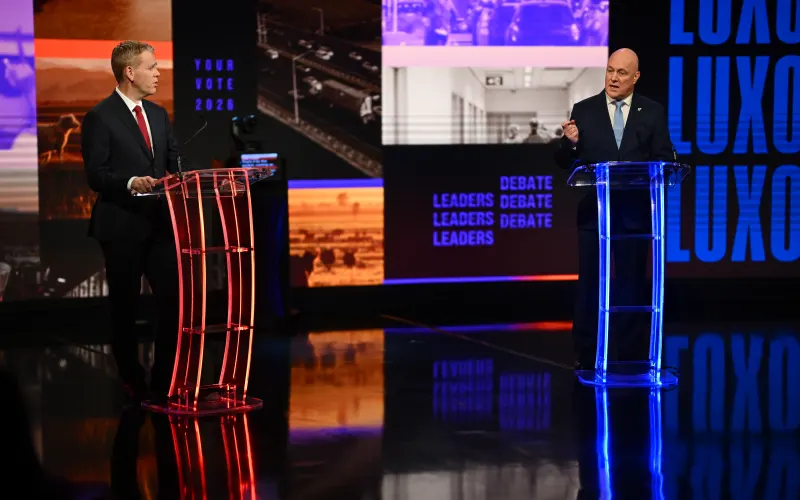
When the dust settled on the first televised leaders’ debate between Christopher Luxon and Chris Hipkins, many viewers were left asking the obvious question: who won? The more important question may be whether New Zealand voters learned anything that will genuinely help them decide the country’s future.
On points, political commentators appeared divided. Some suggested Chris Hipkins edged ahead through his relatability and aggressive challenges to the Government’s record, while others noted Christopher Luxon delivered a disciplined performance and largely avoided damaging mistakes.
But from a voter’s perspective, the debate often felt like two competing sales pitches rather than a serious discussion about New Zealand’s long-term direction.
There was plenty of discussion about the cost of living, health, education, taxes and crime. Yet there was remarkably little clarity about the deeper issues that will shape New Zealand’s culture, identity and values over the next decade.
For a Christian audience, that omission matters.
Political debates frequently focus on dollars and cents, but societies are not built on economics alone. Families, communities, marriage, parenting, faith, human dignity and freedom of conscience are all critical foundations of a healthy nation. Yet these topics barely featured.
The debate highlighted another reality of modern New Zealand politics: neither major party appears capable of governing alone. Coalition negotiations after the election may ultimately be more important than anything said on stage. As commentators have noted, smaller parties are now likely to wield significant influence over the country’s direction.

That means voters are not simply choosing between Labour and National. They are choosing between competing blocs of parties, each carrying very different visions for New Zealand society.
Perhaps that is why the debate felt unsatisfying. While the candidates argued over who could better manage today’s challenges, neither offered a compelling vision of what kind of nation New Zealand should become.
In the end, there was no clear knockout blow.
Hipkins landed punches. Luxon remained steady. Commentators will argue over the winner for days.
But many New Zealanders switched off still wondering how either leader intends to rebuild social cohesion, strengthen families, protect freedoms and restore hope.
Those questions may matter far more than who won a televised debate.