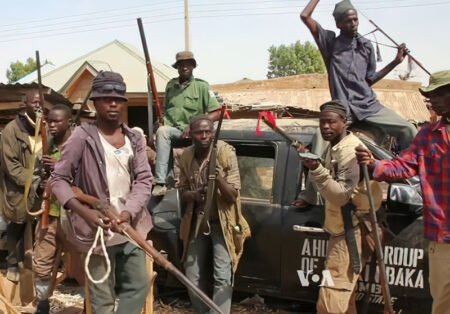



A United Nations fact-finding mission for Sudan released a report Thursday claiming that the Rapid Support Forces, a nongovernmental militant group battling for control of Sudan, carried out a “coordinated campaign of destruction against non-Arab communities in and around El-Fasher, the hallmarks of which point to genocide.”
The report marks the first time that the U.N. has suggested the crisis in Sudan may have risen to genocidal proportions since the civil war began in 2023. The U.S. has previously indicated that it believes the RSF to be engaged in a genocide and has imposed sanctions on the group and its leaders in response.
American sanctions were stiffened yesterday in an action that coincided with the U.N. report.
“Genocidal intent,” the U.N. wrote Thursday, “is the only reasonable inference that can be drawn from the RSF’s systematic pattern of ethnically targeted killings, sexual violence, destruction, and public statements explicitly calling for the elimination of non-Arab communities.”
The RSF carried out a brutal campaign of violence in the Darfur city of Al‑Fasher, culminating in its capture in October 2025 after an 18-month siege. According to U.N. investigators and multiple reports, RSF fighters carried out mass killings, summary executions, torture, and widespread sexual violence while deliberately targeting non-Arab ethnic communities such as the Zaghawa and Fur.
In just three days of attacks during the city’s fall, more than 6,000 people were killed, including thousands inside the city and others shot while attempting to flee. Civilians were massacred in neighborhoods, dormitories, and even at a university, while hospitals and displacement camps were attacked, and critical aid routes were cut off.
The atrocities included door-to-door killings, abductions, and the establishment of detention sites where civilians were abused, while many bodies were reportedly buried or burned to conceal evidence.
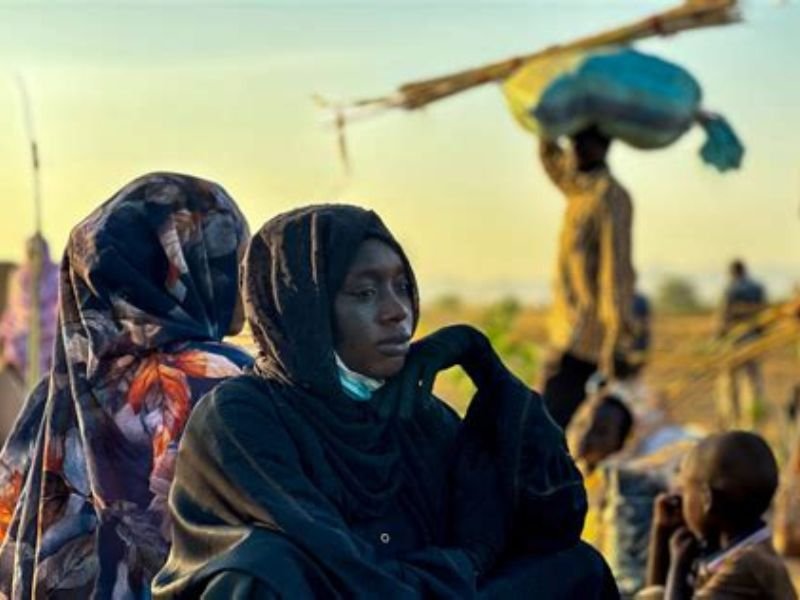
While the violence in Al-Fasher is primarily ethnic in nature, the civil war more broadly has had devastating effects on daily civilian life across the country. At least 40,000 people have been killed and roughly 12 million to 13 million people displaced, making it the largest displacement crisis in the world.
According to reports, more than 165 churches have had to close since the war started in 2023. Some churches are used as bases for military operations in the war, with people sheltering there forced out or even killed to make way for soldiers. Members of the clergy have been targeted, with soldiers shooting or stabbing priests and others during their raids. The well-equipped Sudanese Armed Forces often bomb churches, indiscriminately injuring or killing those sheltering inside, including women and children, as it pursues rival RSF forces.
Both sides of the conflict have been responsible for immense human suffering and have acted in ways that directly kill, harm, and displace civilians. Afraid of losing leverage or battlefield advantage, both sides have also blocked humanitarian assistance from reaching those in need.