


By Mike Bain/cvnznews.com
National MP Simeon Brown says Labour has reached “a new frontier” in avoiding scrutiny over its proposed Future Fund, accusing the party of shifting blame from “market sensitivities” to the Treaty of Waitangi to avoid releasing key details.
Brown says Labour has now gone more than 200 days without explaining how its Future Fund would operate, which state‑owned enterprises (SOEs) would be included, or how the policy would be paid for. He argues the party is using the Treaty as a political shield rather than providing basic costings.

“In the history of New Zealand politics, there has never been an opposition so unwilling to have any ideas that the Treaty of Waitangi has been blamed for not having done basic costings,” Brown says. He claims the more likely explanation is that Labour has discovered “a multi‑billion‑dollar fiscal hole” and cannot explain how it would fill the gap without higher taxes or more debt.
Labour’s Future Fund proposal would divert dividends from SOEs into a long‑term investment vehicle. Brown says those dividends currently support frontline public services such as schools and hospitals, meaning Labour would need to replace up to $3 billion in revenue over four years.
“That money can only come from higher taxes, more borrowing, or cuts elsewhere,” he says.
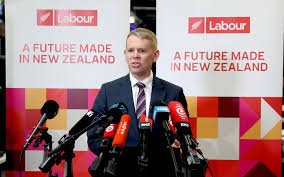
Brown argues Labour leader Chris Hipkins now faces two choices: “come clean” about how the policy would be funded, or avoid answering until after the election. He says Hipkins has chosen the latter.
National has repeatedly pressed Labour for details since the policy was announced, but Brown says the party has still not clarified the cost, the SOEs involved, or how the lost revenue would be offset.
The debate over the Future Fund is likely to intensify as parties sharpen their fiscal positions heading into the election campaign.
Here’s a neutral, plain‑English explainer on Labour’s proposed Future Fund — no spin, no partisan framing. As always, please confirm political information with a trusted source.
What the Future Fund Actually Is — A Neutral Explainer
Labour’s proposed Future Fund is a long‑term investment fund designed to build financial reserves for New Zealand by using money generated from state‑owned enterprises (SOEs). The idea is similar in concept to the NZ Super Fund, but with a different purpose and funding stream.
How it would work
- The Future Fund would be built by diverting dividends from selected SOEs.
- Instead of those dividends going into the Government’s general budget (where they help fund services like health, education and transport), they would be invested into the new fund.
- Over time, the fund would grow through investment returns, creating a pool of capital the Government could use for future national priorities.
What Labour says the fund is for
Labour has framed the Future Fund as a way to:
- strengthen New Zealand’s long‑term financial position
- reduce pressure on future taxpayers
- build a buffer for economic shocks
- ensure SOE profits are reinvested for public benefit
The party has compared it to sovereign wealth funds used overseas to stabilise government finances.
What details are still unclear
Since announcing the policy, Labour has not confirmed:
- which SOEs would have their dividends redirected
- how much money the fund would receive each year
- how the Government would replace the lost revenue currently used for public services
- the total cost of establishing and maintaining the fund
These gaps have led to questions from economists, journalists and political opponents.
Why it matters
SOE dividends currently contribute hundreds of millions of dollars each year to the Government’s operating budget. Redirecting them into a long‑term fund would require:
- higher taxes,
- increased borrowing, or
- spending cuts elsewhere
to maintain current service levels.
Where the debate sits
Supporters say the Future Fund is a smart, forward‑looking investment strategy.
Critics argue the policy lacks detail and could create a short‑term fiscal hole.
Either way, the proposal represents a significant shift in how New Zealand might use the profits from its state‑owned companies.