


Kaitlin Price/cvnznews.com
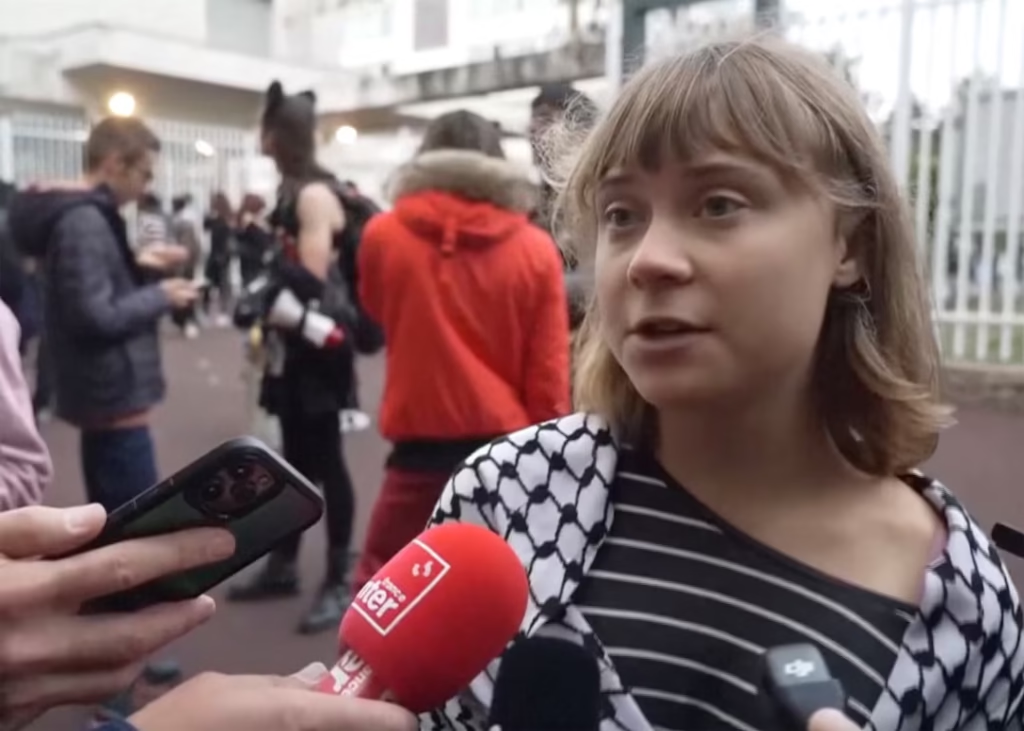
It’s not a protest without Swedish activist Greta Thunberg as she throws her support behind French students protesting deteriorating school conditions, joining demonstrators outside Lycée Paul Éluard in Saint-Denis as nationwide protests entered their fourth week.
The protests began over concerns that will sound familiar to many Western nations: teacher shortages, overcrowded classrooms, and ageing school buildings. Students say they are not demanding special treatment but basic educational standards, including more teachers, improved facilities, and fairer access to higher education. Trade unions and sections of the political left have backed the movement.

Speaking to reporters, Thunberg said young people were standing up for “basic rights” and argued that a lack of investment in schools was robbing students of their future. She also criticised police tactics, describing the response to some demonstrations as excessively harsh.
The protests have spread widely across France. According to official figures, more than 161,000 people participated in marches on Tuesday, while around 214 schools were closed or partially closed. However, participation has fallen from earlier demonstrations, suggesting the movement may be losing momentum as school holidays approach.
While many of the protests have been peaceful, images of tear gas, projectiles, burning vehicles and clashes with police have dominated international coverage. Critics, including conservative commentators, have portrayed some scenes as evidence of social disorder rather than legitimate civic protest.
For Christians observing events from afar, the story raises wider questions than whether one supports Thunberg or agrees with every aspect of the demonstrations.
Scripture consistently places value on the next generation. A society that neglects education, abandons struggling communities, or fails to prepare young people for the future risks storing up deeper problems for years to come. At the same time, public protest that descends into violence rarely produces lasting solutions.
France’s education crisis has become a flashpoint for bigger concerns about economic pressures, public services, government priorities and social cohesion. As the country heads toward a major election cycle, the unrest offers a reminder that many young people across the Western world feel unheard, disconnected and uncertain about the future.
The challenge for governments, families and communities alike is whether those concerns will be addressed through constructive reform, or continue to erupt in anger on the streets.