


Mike Bain/cvnznews.com
Hate Speech or Free Speech? Tamaki Charges Spark Wider Battle Over Religious Freedom
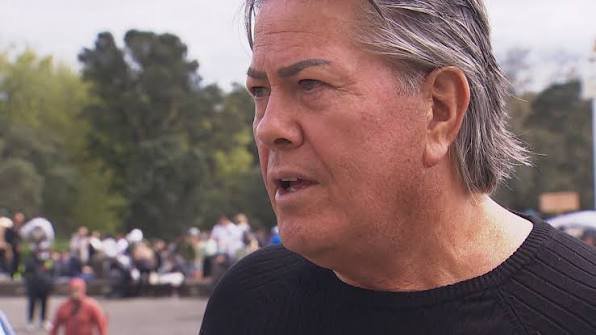
The decision to prosecute Destiny Church leader Brian Tamaki under New Zealand’s racial disharmony laws has ignited a fierce debate extending well beyond the controversial preacher himself.
Tamaki is due to appear in the Manukau District Court on October 19, facing three charges of inciting racial disharmony under Section 131 of the Human Rights Act. The charges stem from comments made in June, when he accused Indian Prime Minister Narendra Modi of persecuting Christians in India and called for New Zealand to be “purged” of Hindus, Sikhs and Muslims, while also referring to burning mosques and temples. Police investigated the remarks and have confirmed the prosecution received the required approval from the Attorney-General.
Tamaki is one of New Zealand’s most polarising religious figures. As founder of Destiny Church, he has frequently attracted controversy for his outspoken views on social issues, politics, immigration and religion. In response to the charges, Tamaki has denied advocating violence, arguing his comments were directed at religious beliefs and political leaders rather than racial groups
Yet the emerging debate is not primarily about whether people agree with Tamaki.
Groups including the Free Speech Union, and others concerned about freedom of expression, argue the case raises important questions about the scope of New Zealand’s hate speech laws. The organisation has been careful to distance itself from Tamaki’s remarks, previously describing them as “divisive and inflammatory,” while simultaneously defending the principle that offensive speech should generally be challenged through public debate rather than criminal prosecution.
Free Speech Union co-founder Dr David Cumin argues police should have relied on the Crimes Act if they believed Tamaki had genuinely incited violence. Instead, he says authorities have chosen legislation that criminalises speech intended to stir hostility or bring protected groups into “contempt or ridicule.”
Family First New Zealand has also expressed concern over the prosecution, warning that a broad interpretation of hate speech laws could ultimately threaten legitimate criticism of religions, ideologies, and worldviews. The advocacy group has long opposed attempts to expand hate speech legislation, arguing that robust public debate, including criticism of religious beliefs, must remain protected in a free society.
For supporters of free speech, the deeper concern is where the precedent could lead. Section 131 is designed to address hostility on the grounds of race or ethnicity. Critics of the prosecution argue that because Tamaki’s comments centred on religious groups and places of worship, the case could blur the distinction between race and religion. If courts ultimately treat criticism or ridicule of religious beliefs as a hate speech offence, they fear New Zealand could effectively be reintroducing blasphemy restrictions that Parliament repealed in 2019.
Supporters of the prosecution view the matter differently, arguing that calls to “purge” groups from New Zealand and references to burning places of worship go far beyond robust religious debate and cross into dangerous territory. Police began assessing the comments shortly after they were made, while government ministers publicly condemned the remarks.
The case now stands to become more than a trial of Brian Tamaki. It could become a significant test of how New Zealand balances freedom of expression, religious criticism, social cohesion, and the limits of hate speech law.