



Mike Bain/cvnznews.com
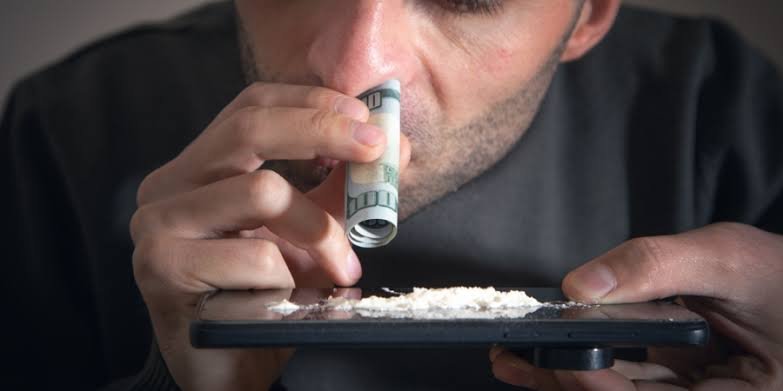
North Shore Crowned NZ’s Cocaine Capital as White Powder Surge Explodes 118%
Meanwhile Wellington can’t kick its meth habit, cannabis keeps rolling on, and suddenly drug-testing beneficiaries doesn’t seem quite so controversial.
If New Zealand had a cocaine capital, Auckland’s North Shore may have just claimed the title.
Fresh workplace testing data reveals cocaine detections have exploded by a staggering 117.7 percent over the past year, with the North Shore emerging as the country’s biggest hotspot. According to the latest figures from workplace testing giant TDDA, cocaine accounted for 11.5 percent of all positive tests on the Shore, up a remarkable 266 percent year-on-year.
Apparently somebody didn’t get the memo that cocaine was supposed to be a rich person’s occasional party indulgence.
Instead, the white powder is increasingly showing up in workplaces around the country.
TDDA chief executive Glenn Dobson says the data suggests organised crime has established reliable supply channels and is now actively expanding markets across New Zealand.
Translation? The dealers have found customers.
While the North Shore appears to be leading the charge, Northland, West Auckland and Hawke’s Bay all recorded significant increases, suggesting cocaine is no longer confined to nightclub bathrooms and millionaire penthouses.
But before Wellington residents start feeling superior, they have their own problem.
The capital recorded a staggering 203 percent increase in methamphetamine detections, with meth and related stimulants accounting for an eye-watering 45.1 percent of positive tests in the region.
So while Auckland may be partying, Wellington appears to be running on rocket fuel.
Nationally, cannabis remains the king of workplace drug detections, accounting for almost 69 percent of all positive tests. In other words, despite years of debate over legalisation, Kiwis are still proving remarkably faithful to their drug of choice.
The figures arrive as the Government continues pushing proposals to expand drug testing requirements for some beneficiaries and job seekers.
Critics have argued such policies unfairly target vulnerable New Zealanders.
But supporters will likely point to reports like this and ask a simple question: if workplace drug use is rising, why wouldn’t employers and taxpayers want greater assurance that people entering the workforce are drug-free?
Either way, the numbers paint a sobering picture.
Cocaine is surging.
Meth remains entrenched.
Cannabis isn’t going anywhere.
And organised crime appears to be making healthy profits from all three.
The uncomfortable reality is that behind every percentage point lies a wider social problem affecting families, workplaces and communities across the country.
Still, if anyone is wondering where New Zealand’s cocaine capital currently resides, the answer may well be simple:
Welcome to the Snort Shore.