

Sarah McMillan/cvnznews.com
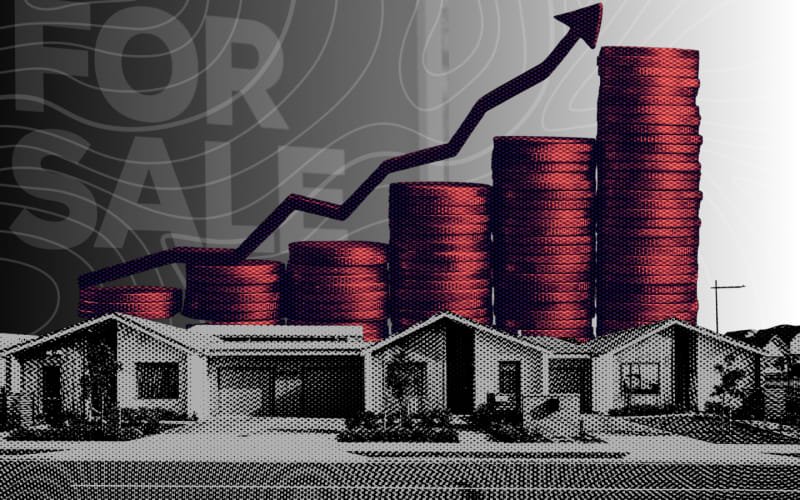
New Zealand’s inflation figures are due this week, and economists are hoping for some relief. But while the September quarter may show a slight improvement, rising fuel costs are raising concerns about what lies ahead.
Kiwi Economics expects annual inflation to come in at around 4% for the September quarter, only slightly lower than the previous quarter. A result closer to 3.8% would be welcomed, but economists remain cautious.

The key issue is where inflation is coming from. Analysts will be watching whether price pressures are being driven by imported costs, such as fuel, or by domestic factors within New Zealand’s economy.
Recent data suggests imported inflation remains the biggest concern. Although petrol and diesel prices were lower during much of the September quarter than they were in June, businesses continue to report plans to raise prices as they struggle with higher operating costs.
The bigger worry may be the December quarter.
Petrol prices have now reached record highs across New Zealand, increasing costs for families and businesses alike. Economists say fuel prices do not just affect motorists. Higher transport and freight costs can flow through to a wide range of goods and services, creating what the Reserve Bank calls “second-round effects”.
These wider price increases could influence future interest rate decisions. Stronger inflation pressures would increase the likelihood of further action from the Reserve Bank to keep inflation under control.
Across the Tasman, Australia’s labour market delivered a surprise. The unemployment rate rose to 4.7%, its highest level since 2021. The result reduced expectations of another interest rate rise from the Reserve Bank of Australia and could help keep the New Zealand dollar relatively weaker against the Australian dollar.
That exchange rate gap may encourage more Australian visitors to holiday in New Zealand this summer.
Meanwhile, global tensions continue to push fuel prices higher. Disruptions to key shipping routes in the Middle East have forced oil tankers onto longer journeys around Africa, increasing transport costs and contributing to higher fuel prices worldwide.
For now, economists say the inflation battle is far from over, and what happens at the petrol pump may prove just as important as the official figures released this week.