


Sarah McMillan/cvnznews.com
Breast Cancer Foundation NZ says women need clear commitments from political parties on funding additional screening for those at higher risk, after both major party leaders acknowledged during a televised debate that they were unfamiliar with the challenges dense breast tissue presents for mammogram screening
Political parties are facing growing pressure to improve breast cancer screening after advocates revealed that four of seven major parties have not said whether they would support funding additional screening for women at higher risk.
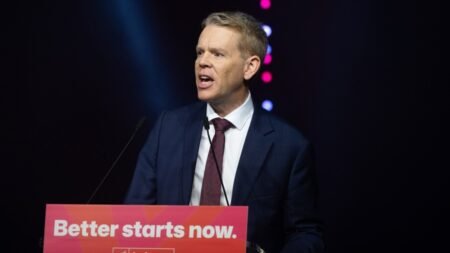
The issue gained national attention during the New Zealand Herald leaders’ debate on October 14, when both Prime Minister Christopher Luxon and Labour leader Chris Hipkins were asked whether women undergoing public breast screening should be told if they have dense breast tissue.
Neither leader committed to a position, with both acknowledging they did not know enough about the issue and would seek further advice.
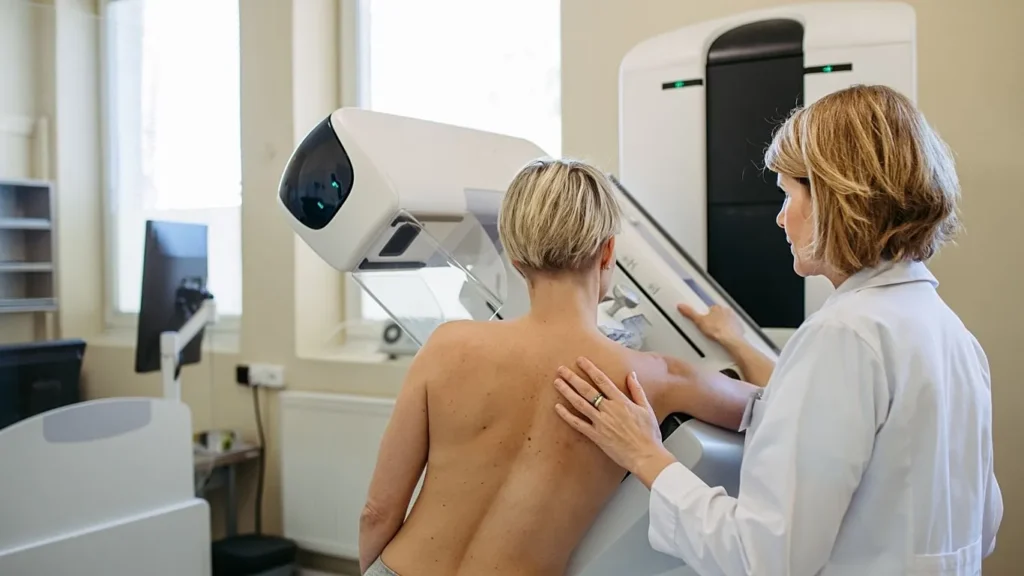
That exchange highlighted a concern increasingly raised by clinicians, advocates and patients: many women remain unaware that dense breast tissue can both increase the risk of breast cancer and make cancers harder to detect on standard mammograms.
Breast Cancer Foundation NZ says support is growing for routine breast density reporting, but reporting alone is only part of the solution.
The foundation recently asked ACT, Greens, Labour, National, NZ First, Opportunity and Te Pāti Māori whether they would explore funding additional screening for women identified as being at higher risk because of breast density.
Labour said it was open to receiving advice on a supplementary imaging pathway and committed to seeking advice within its first 100 days on accelerating breast density reporting. Opportunity supported exploring a funded pathway, while Te Pāti Māori also confirmed it would investigate funding options.
The remaining parties had not provided a response at the time of publication.
Chief Executive Vanessa Sorenson said women need more than information about their breast density.
“Mammograms are still one of the best tools we have to detect breast cancer early, but they can be less effective in women with extremely dense breasts,” she said.
Research cited by the foundation indicates around one in ten women have extremely dense breasts. For these women, standard mammograms may detect only about half of cancers.
The foundation is calling on the next government to require breast density reporting through BreastScreen Aotearoa, fund additional screening for higher-risk women, and begin introducing contrast-enhanced mammography where clinically appropriate.
As parties seek votes in the closing stages of the campaign, advocates say women deserve clear answers on whether access to potentially life-saving screening will depend on clinical need, or the ability to pay privately.