

Sarah McMillan/cvnznews.com
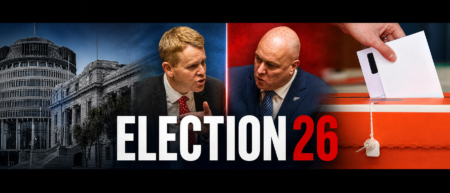
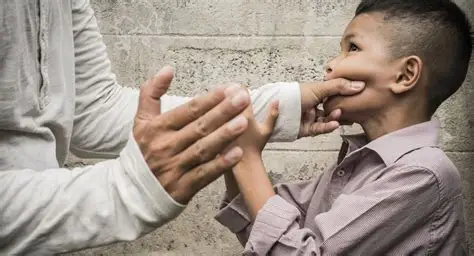
As political parties trade promises on education, economic policy and law and order, one issue appears to have been pushed to the margins of the election campaign: New Zealand’s longstanding child abuse crisis.
Family for Every Child says child maltreatment and child poverty have received little meaningful attention from major parties, despite the devastating impact both have on children’s health, wellbeing and future life outcomes.
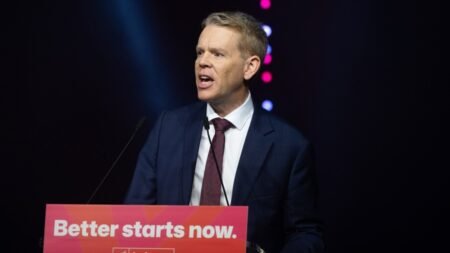
The organisation has expressed concern that National’s newly released “Plan for Kiwi Kids” focuses heavily on education initiatives and reducing cellphone use in schools, while offering no specific measures to tackle child maltreatment or poverty.
Programme Advisor Dr Rob Thomson says children experiencing abuse, neglect or severe hardship are unlikely to benefit from education reforms alone.
“Our children who are being maltreated or living in poverty are going to struggle at school regardless of curriculum changes or education policies,” he said.
The comments touch on a difficult reality for New Zealand. For decades, this country has wrestled with persistently high rates of child abuse and family violence. Successive governments have launched reviews, reforms and awareness campaigns, yet the issue continues to claim young lives and leave lasting scars on countless others.
Family for Every Child argues that preventing abuse should be a national priority, requiring coordinated action across multiple government agencies rather than being left solely to the child protection system.
Through the Tick4Kids campaign, major political parties were asked whether they would support children’s rights initiatives, including a whole-of-government approach to preventing harm, a national strategy to prevent child maltreatment, and implementation of recommendations from the Dame Poutasi Review.
While all major parties expressed support for some form of coordinated response, significant differences remain in how they propose to address the problem.
Dr Thomson says voters should carefully consider which parties have concrete plans to keep children safe and support families before casting their ballots.
In a nation that regularly mourns the tragic deaths of abused children, the challenge for politicians may be whether they are willing to confront one of New Zealand’s most persistent and uncomfortable social failures, rather than simply manage its consequences.