


Kaitlin Price/cvnznews,com
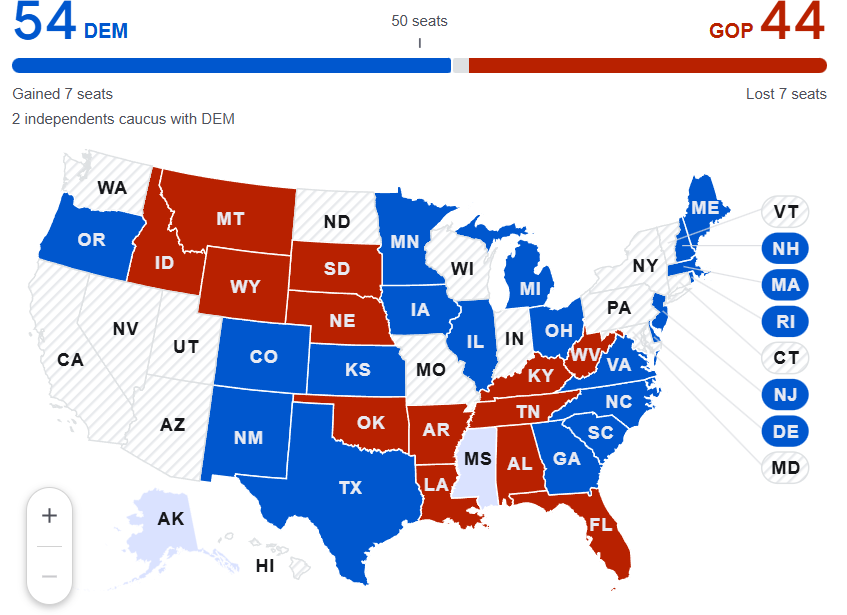
The Democratic Party is celebrating a stunning political comeback after reclaiming control of both the House of Representatives and the Senate in the US midterm elections.
But beneath the headlines about President Donald Trump and Republican losses, a deeper struggle is emerging that could shape the future of America long after the next election.
While Democrats celebrated victory, the Democratic Socialists of America (DSA) were celebrating gains of their own. The socialist movement helped elect dozens of candidates across the country and will send its largest group of representatives to Congress in modern times.
Seven socialist-aligned members in a 435-seat House of Representatives is hardly enough to dominate Washington. Yet many observers believe the real story is not how much power socialists have today, but how much influence they could have tomorrow.
Unlike traditional third parties, socialists have largely chosen to work within the Democratic Party rather than outside it. Their strategy is to challenge moderate Democrats in party primaries and gradually shift the party further to the left.
That strategy is already producing results. In several races, established Democratic politicians were defeated by candidates backed by the socialist movement, demonstrating that even long-serving incumbents are not immune from challenges within their own party.
A major factor behind this shift is generational change.
For many older Americans, socialism brings back memories of the Cold War, government control and failed economic systems. Younger voters often see it differently. Faced with soaring housing costs, student debt and economic uncertainty, many are more willing to embrace policies promising greater government involvement in healthcare, housing and economic support.
This growing divide between younger and older voters could become one of the defining political battles of the next decade.
The implications extend beyond economics.
Several socialist-aligned politicians have become outspoken critics of Israel and opponents of continued American military assistance to the Jewish state. While they remain a minority today, their influence within the Democratic Party is steadily growing, raising concerns among many Christians and supporters of Israel.
Supporters argue democratic socialism offers solutions to inequality and social hardship. Critics warn it expands government power, weakens personal responsibility and shifts authority away from families, churches and local communities.

For Christians, the debate goes far beyond party politics.
Scripture calls believers to care for the poor and vulnerable, but it also warns against placing ultimate trust in political systems or human institutions. The challenge is to measure political promises against biblical principles rather than slogans.
The Democrats may have won the election. But the larger battle is now over the future direction of the Democratic Party, and ultimately, the future identity of America itself.
Elections come and go. Ideas endure.
And the contest over America’s soul may only just be beginning.