



Colin Ambler/cvnznews.com
New Zealand’s environmental services sector is entering one of its most pivotal periods in decades, as aging infrastructure, rapid urban redevelopment, and tightening regulations collide to reshape the way the country manages contaminated land, asbestos, and construction waste.
A new WasteMINZ / NZIER report highlights the scale of the challenge. New Zealand generates just US$1,475 (NZ$2,508) of economic output per tonne of material consumed, well below the OECD average of US$2,502 (NZ$4,253). The gap is more than a statistic — it is a flashing signal that smarter, more efficient environmental management is no longer optional but essential.
Across Wellington, the shift is already visible. As the capital intensifies and former industrial sites re‑enter the development pipeline, contaminated land remediation has become a core enabler of urban growth. Compliance with the National Environmental Standard for Contaminants in Soil (NES:CS) now underpins almost every brownfield project, pushing demand for specialist investigation and remediation services sharply upward. Councils and developers alike are turning to environmental experts to unlock land that was once considered too complex or costly to redevelop.
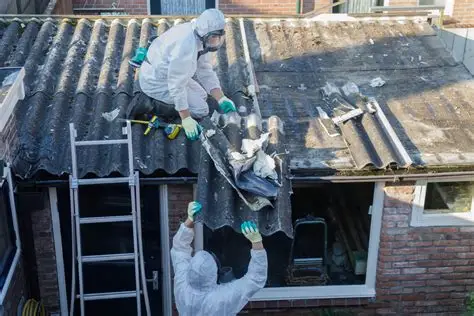
A similar story is unfolding in Auckland. With thousands of pre‑1990s buildings being renovated or demolished, asbestos removal in Auckland has become a constant requirement, driving strong demand for certified contractors. Providers such as Morecroft have expanded their capabilities to meet the surge, offering asbestos removal, contaminated land assessments, and deconstruction services to everyone from homeowners to major commercial operators.
What’s clear is that environmental services are no longer a niche support industry — they are a critical backbone of New Zealand’s construction and property sectors. As cities grow upward and outward, and as regulatory expectations tighten, businesses, insurers, and government agencies are increasingly treating proactive environmental management as both a legal safeguard and a long‑term investment in land value.
With urban growth accelerating and redevelopment pressures mounting, the sector’s role will only expand. New Zealand’s next wave of development will depend not just on builders and planners, but on the environmental specialists ensuring the ground beneath them is safe, compliant, and ready for the future.