

Sarah McMillan/cvnznews.com
A silent emergency is unfolding across the developing world, and it didn’t happen by accident. It happened because wealthy nations — led by the United States — decided to pull the plug on the very programs that kept millions of mothers and children alive.
When the Trump administration dissolved USAID, the world’s largest humanitarian donor, it wasn’t just a bureaucratic reshuffle. It was a detonation. Funding collapsed, other nations followed suit, and the support systems that held vulnerable communities together simply vanished. Outreach workers disappeared. Birthing centres lost staff, equipment, and medicine. Nutrition programs that cost less than a dollar per child evaporated overnight.
The official line from Washington is that the cuts were about “efficiency” and “partnership.” But the numbers tell a different story. The World Health Organization says 60% of women’s health organisations have been forced to slash services. A Lancet study warns the cuts could contribute to 14 million deaths by 2030, including 4.5 million children under five. The Gates Foundation predicts 2025 may be the first year this century where global child deaths rise.
That’s not efficiency. That’s abandonment.
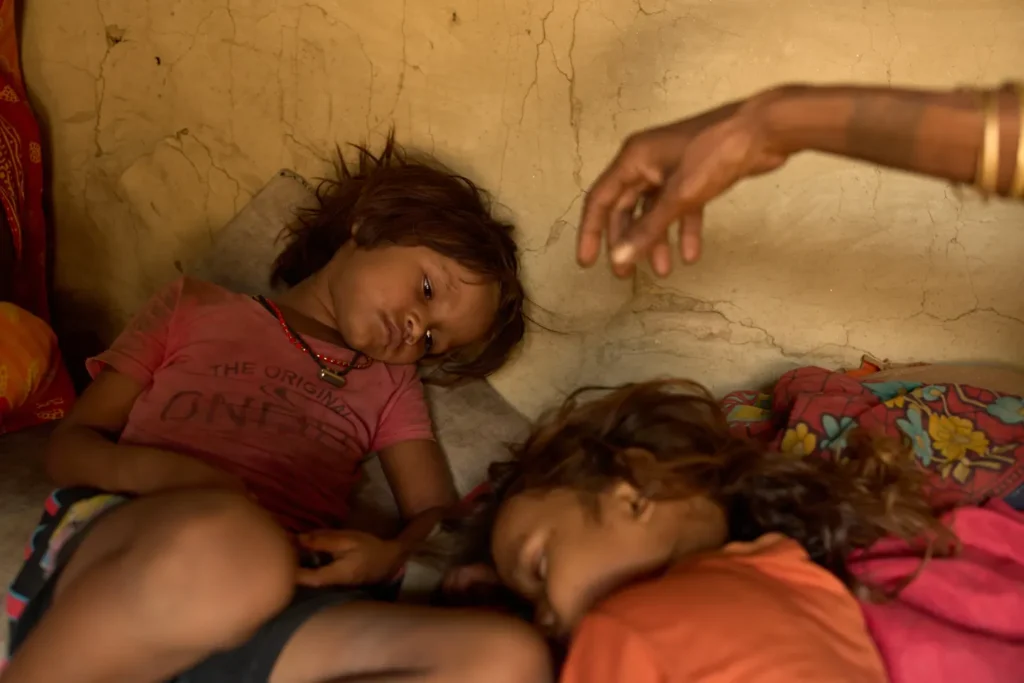
Nepal shows the consequences with brutal clarity. In districts like Rautahat, U.S.-funded programs had trained midwives, equipped clinics, and sent volunteers door‑to‑door to catch complications early. Neonatal deaths dropped to zero. Women finally had someone to trust, someone who could explain danger signs, someone who could get them to a hospital before disaster struck.
Then the funding stopped.
Within months, newborn deaths returned. Maternal emergencies surged. Women who didn’t know the warning signs — because no one was left to teach them — began dying from preventable conditions like anemia and eclampsia. Clinics now report half the number of prenatal visits they once had. In some villages, mortality data collectors were laid off, meaning the true death toll is even higher than the records show.
This is what happens when aid is cut: not headlines, not statistics — but real people dying quietly, out of sight, because the world decided their lives were no longer worth the budget line.
If global investment doesn’t return, the crisis won’t just continue. It will accelerate. And the world will have to face a hard truth: these deaths weren’t inevitable. They were a choice.