



By Mike Bain/cvnznews.com
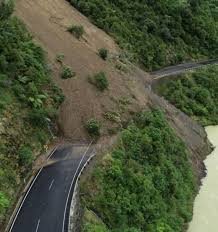
The road freight sector says the ongoing closure of State Highway 2 through the Waioweka Gorge — the critical inland route linking Ōpōtiki and Gisborne — is costing the regional economy more than half a million dollars every week and exposing just how brittle New Zealand’s transport network has become.
The warning lands the same week the Commerce Commission released its Annual Grocery Report, which bluntly stated that New Zealand’s supermarket duopoly still controls more than 80% of the market and that supply chains remain vulnerable to disruption. The Commission noted that freight reliability is a key factor in enabling genuine competition — and right now, reliability is exactly what the East Coast doesn’t have.
Transporting New Zealand says the Waioweka Gorge closure is a textbook example of what happens when decades of under‑investment collide with increasingly severe weather. Membership Manager Lindsay Calvi‑Freeman says the economic hit is immediate and brutal.
“Road closures and extended detours don’t just inconvenience people — they put lives at risk and impose serious economic costs,” he said. “Waioweka Gorge is a critical freight corridor. When it goes down, there are almost no practical alternatives.”
Freight operators are burning money on longer routes, missed delivery windows and disrupted supply chains. Local businesses — already battling high transport costs and limited competition — are left even more exposed.
The Government’s Budget 2026 announcement of $400 million for state highway resilience is being welcomed, but the freight sector is clear: the work should have started years ago. Proposed upgrades for Waioweka Gorge include slope stabilisation, rockfall protection, drainage improvements and targeted works at high‑risk sites — all essential, all overdue.
Calvi‑Freeman says members repeatedly raise concerns about the reliability of regional corridors, and the pattern is always the same: a storm hits, the road fails, and communities pay the price.
Transporting New Zealand is now working with NZTA to minimise disruption, but the message is blunt — resilience isn’t optional anymore.
As ComCom reminded the country this week, competition depends on functioning supply chains. And in places like the East Coast, one gorge slipping off a hillside is all it takes to expose how fragile the system really is.