


By Colin Ambler/cvnznews.com
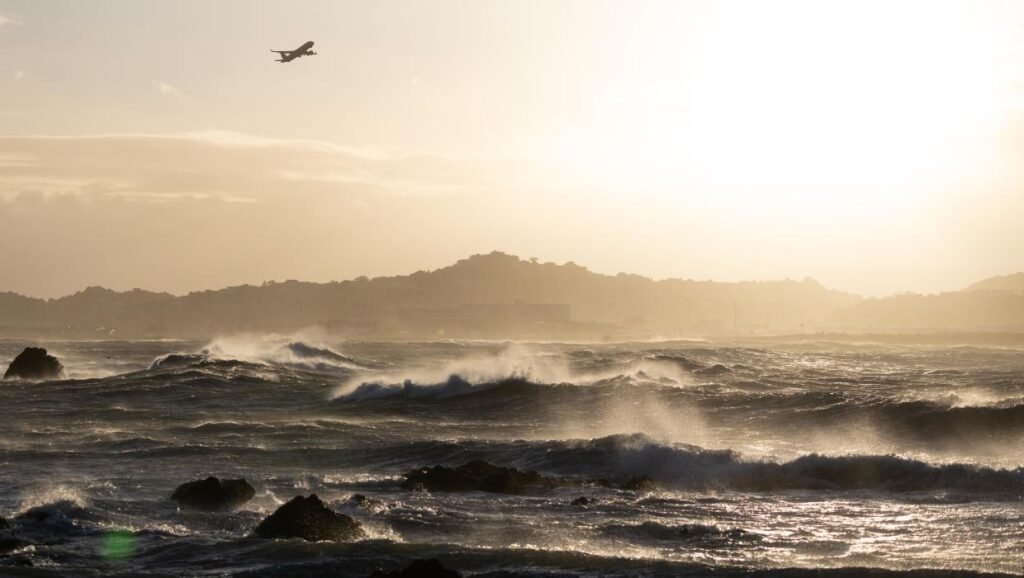
Wellington has been placed under a local state of emergency as powerful southerly swells and an unusually high tide combined to batter the south coast on Tuesday, forcing evacuations, road closures and warnings to stay well clear of the shoreline.
While authorities say the danger is real and ongoing, public reaction has ranged from weary resignation to outright dismissal — a reminder of how often the capital walks the line between vigilance and apathy.
Emergency teams ordered residents in several exposed coastal pockets to evacuate as waves surged over seawalls, sending debris across roads and shared paths. The popular State Highway 2 shared path was closed after being hit by large waves, and police and council staff have been stationed along the coastline to keep people away from the water. Wellington’s mayor has warned that another “danger period” is still coming, urging residents not to return to the south coast until officials give the all‑clear.
So far, reports of structural damage appear limited. Debris, surface flooding, and wave‑thrown rocks have been the main hazards, with some roads temporarily impassable. No major injuries have been reported. Authorities say the combination of tide, swell direction and wind has created a volatile environment that can shift quickly — even if the impacts look modest compared with past storms.
But online, the mood is split. Comments range from “just another Wellington day” to “it’s been worse before,” reflecting a familiar fatigue in a city accustomed to dramatic weather. Others accuse officials of “crying wolf,” questioning whether the emergency declaration was necessary. Yet emergency managers insist the call was based on modelling showing a genuine risk to life and property, and that the absence of major damage so far is a sign the precautions worked — not that they were unnecessary.
As the next high‑tide window approaches, Wellington remains on alert. Whether residents see this as prudent caution or bureaucratic overreach, the reality is simple: the capital’s coastline is increasingly vulnerable, and each event exposes how thin the margin is between a close call and a costly disaster.