


Sarah McMillan/cvnznews.com
Politicians Want Rural Votes But Won’t Talk About The Health Crisis Facing Nearly A Million Kiwis
The findings have renewed pressure on political parties to explain how they would tackle mounting healthcare challenges in rural communities.
Hauora Taiwhenua has previously called on all parties to commit to six priorities, including growing the rural health workforce, improving funding for rural practices, strengthening training pathways, harnessing digital technology, and ensuring rural communities have a stronger voice in health policy.
National has highlighted its broader healthcare investments during the election campaign, arguing that workforce shortages are a nationwide challenge and pointing to recruitment initiatives, expanded medical training opportunities and efforts to attract overseas-trained health professionals.
Labour has accused the Government of allowing workforce shortages and hospital pressures to worsen, arguing that healthcare requires significantly greater investment and long-term workforce planning. Healthcare has emerged as one of the major issues of the election campaign, alongside cost-of-living concerns.
The Green Party has called for increased public investment in health services, including improved access to primary healthcare and stronger support for underserved communities.
Te Pāti Māori has consistently argued that rural Māori communities face additional barriers to healthcare and has advocated for greater investment in community-led and Māori-led health services.
However, Hauora Taiwhenua says the central issue remains largely unanswered: how political leaders intend to ensure rural New Zealanders can continue accessing healthcare close to home.
The organisation warns that workforce shortages, ageing facilities and growing demand are placing increasing pressure on rural practices, many of which are already struggling to recruit doctors.
Its latest survey estimates rural New Zealand is effectively short of 151 GPs, with nearly half of rural practices reporting at least one doctor vacancy. The survey also found that 46 percent of practices say their facilities are no longer fit for purpose, while 90 percent experience significant seasonal population pressures.
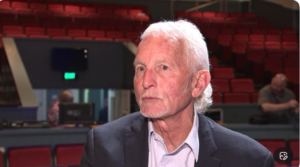
Chief Executive Dr Grant Davidson said the numbers should be a wake-up call for politicians.
“Almost a million rural New Zealanders rely on rural health services, yet rural health has barely featured in this election campaign,” he said. “People deserve to know how political parties plan to keep the doors of their local doctor open.”
As Election Day approaches, Hauora Taiwhenua says rural voters have every right to demand clear answers from those seeking their support. The organisation argues that without targeted action on workforce recruitment, funding and infrastructure, the gap between urban and rural healthcare access is likely to continue widening.