

Editorial: Mike Bain/cvnznews.com
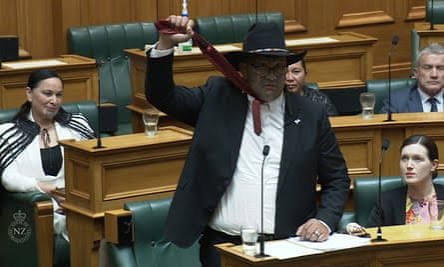
Te Pāti Māori says Māori deserve more parliamentary seats, not fewer. But with Māori MPs represented across almost every political party and occupying leadership roles throughout New Zealand society, critics are asking whether the issue is representation or political power.
Te Pāti Māori’s latest call for more Māori electorates landed with all the certainty of a verdict already reached. According to the party’s co-leaders, Māori are owed an eighth Māori electorate seat and any discussion that could lead to fewer Māori MPs amounts to a reduction in Māori representation.
Yet many New Zealanders may be forgiven for asking a simple question: representation of whom, exactly?
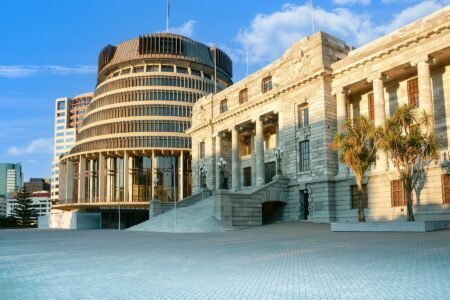
The argument assumes that Māori voices are absent or underrepresented in Parliament unless they occupy specifically designated Māori seats. But a glance around the House suggests a more complicated reality. Māori MPs are represented across multiple political parties, including Labour, National, the Greens, ACT and Te Pāti Māori itself. They hold ministerial positions, leadership roles and influential portfolios.
The existence of Māori MPs throughout Parliament does not automatically mean Māori interests are always advanced, but it does challenge the idea that Māori as a people are somehow excluded from political participation.
In fact, Māori achievement is evident well beyond politics. Māori New Zealanders serve as judges, doctors, teachers, academics, business leaders, military personnel, police officers and chief executives. The claim that Māori require ever-increasing constitutional mechanisms to secure a voice sits uneasily alongside the reality of Māori participation throughout New Zealand society.
This does not mean the Māori electorates have no place. Their supporters argue they provide an important safeguard and recognise the unique constitutional position of Māori under the Treaty of Waitangi. That case can certainly be made.
What is harder to accept is the suggestion that proportionality only works when it produces more seats.
Democracy is ultimately about equal representation of citizens and voters. If electoral reform is being discussed, the question should not be whether one group gains or loses advantage, but whether the system remains fair, transparent and representative for everyone.
Te Pāti Māori’s proposal may resonate with supporters, but many New Zealanders are likely to see it less as a defence of democracy and more as an argument for expanding a political arrangement that already guarantees dedicated representation.
The debate New Zealand needs are not whether there are enough Māori politicians, but whether increasing the number of reserved seats is the only measure of genuine political progress.