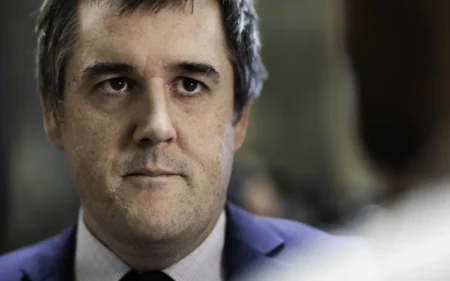




David Seymour signals a referendum push to scrap Māori electorates, igniting a fierce debate over representation, democracy and Te Tiriti o Waitangi.
Colin Ambler/cvnznews.com
ACT leader David Seymour has opened the door to a referendum on abolishing New Zealand’s Māori seats, signalling it could become a coalition negotiation demand following the 2026 election.
Speaking to RNZ’s Midday Report, Seymour said ACT was actively considering whether voters should be asked to decide the future of the dedicated Māori electorates, which have existed in New Zealand politics since 1867.
“As we consider this as a party and as a caucus, it may be the best way forward, and we may well do that,” Seymour said.
ACT has argued that Māori seats are the “proximal cause” of the current overhang problem under MMP, where parties win more electorate seats than their party vote entitlement would otherwise allow.
But critics say Seymour is using electoral mathematics as a cover for a much bigger political objective: eliminating guaranteed Māori representation in Parliament.
Te Pāti Māori swiftly rejected the proposal, accusing ACT of manufacturing a political distraction.
“Removing the Māori seats won’t fix MMP,” the party argued, saying the seats play a crucial role in recognising the Crown’s obligations under Te Tiriti o Waitangi.
Te Pāti Māori warned that abolishing the seats would represent far more than an electoral adjustment.
For Māori advocates, the electorates are one of the few constitutional mechanisms that specifically acknowledge Māori political representation within Parliament. Critics of ACT’s proposal argue their removal would further weaken Māori influence rather than strengthen democracy.
Seymour dismissed those concerns, arguing Māori would continue to enjoy exactly the same voting rights as every other New Zealander.
“It’s unclear what purpose a separate Māori roll serves,” he said.
That position is unlikely to calm opponents.
For decades, the Māori seats have been viewed by supporters as a safeguard against Māori political marginalisation. Their defenders argue that simply relying on mainstream party lists risks Māori voices becoming dependent on the priorities of larger political parties rather than being directly accountable to Māori voters.
The proposal is also likely to reignite wider Treaty debates.
Critics argue the seats represent part of New Zealand’s constitutional response to the Crown’s obligations toward Māori as tangata whenua. Some believe removing them would send a message that Māori political representation is optional rather than foundational.
Supporters of abolition, however, maintain that separate electorates based on ancestry are inconsistent with equal citizenship and argue all New Zealanders should vote under a single electoral system.
The issue has become increasingly contentious following Te Pāti Māori’s successful “one tick” strategy, which helped the party secure all Māori electorates while receiving a smaller share of the nationwide party vote.
ACT claims this has exposed weaknesses in the electoral system and created distortions under MMP.
Opponents counter that the real issue is not Māori seats but ACT’s dissatisfaction with Māori political success.
Should Seymour push the proposal into coalition negotiations, the debate is likely to become one of the most divisive constitutional battles New Zealand has seen in years.
The question is no longer simply about overhang seats.
It is about whether New Zealand believes dedicated Māori representation still has a place in its democracy.