



By Colin Ambler/cvnznews.com
National is promising to permanently double core funding for the Queen Elizabeth II National Trust, pitching the move as a “huge win for conservation” and rural New Zealand if it wins the next election.
Under the policy, baseline funding for the QEII Trust would rise from about $4.2 million to $8.5 million a year, with the increase to be locked in through Budget 2027 as a permanent boost rather than a short‑term top‑up.
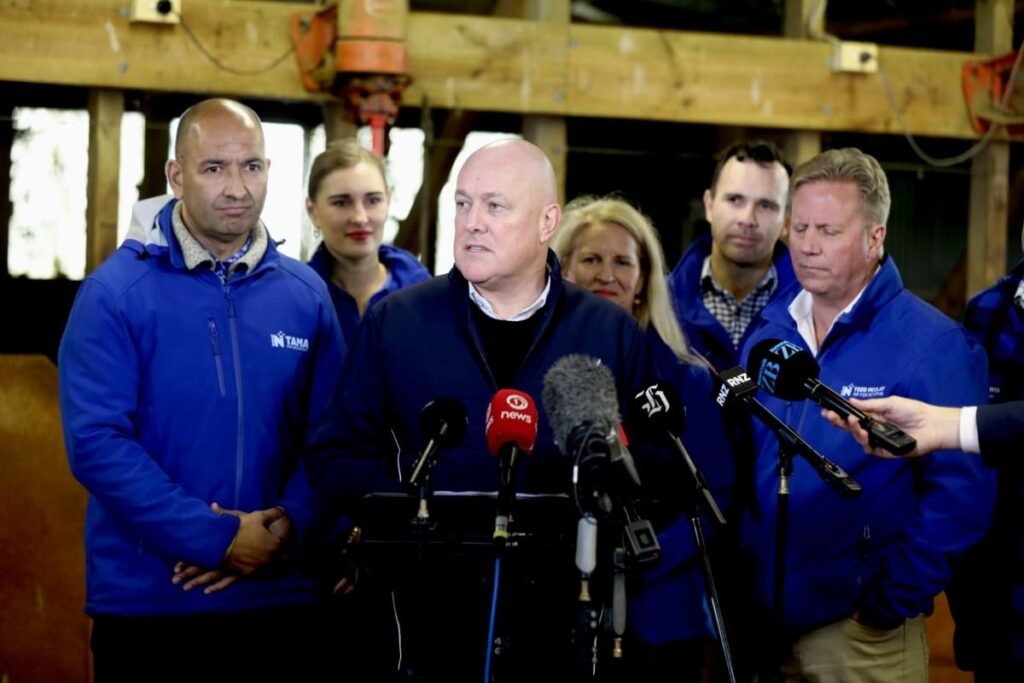
National’s agriculture spokesman Todd McClay and conservation spokesman Tama Potaka say the Trust’s work with farmers and private landowners is critical because much of the country’s remaining native bush, wetlands and biodiversity sits on privately owned land. They argue the extra money will restore the Trust’s capacity to take on new covenants and give it certainty to support fencing, pest and weed control, revegetation and other covenant work.
Potaka links the announcement to the legacy of the late QEII chair Alan Livingston, saying the best way to honour him is to keep protecting “unique ecosystems on private land that are so important to New Zealand’s biodiversity and future”.
The policy quickly drew support from National leader Christopher Luxon, who framed it as part of a broader pro‑farmer agenda. He described QEII as a “voluntary, practical, landowner‑led” model that delivers “great bang for buck” because every government dollar is matched many times over by farmers’ own investment in fencing, legal work and foregone production.
ACT leader David Seymour also claimed some ownership of the idea, calling National’s move a “fitting tribute” to ACT MP Mark Cameron, who is retiring at the next election. Seymour said ACT campaigned in 2023 on a biodiversity fund to help trusts like QEII strike covenants with willing landowners and argued the new policy shows other parties are moving toward ACT’s property‑rights‑focused conservation approach.
Federated Farmers president Wayne Langford welcomed the pledge as “the best bang for buck conservation investment the next Government could make”, saying demand for new covenants has been outstripping QEII’s resources and warning that without more funding, some opportunities to protect special areas on farms would be “lost forever”.