

Colin Ambler/cvnznews.com
The Child Poverty Action Group (CPAG) is rolling out a manifesto urging all political parties to take meaningful steps to tackle child poverty in New Zealand.
“We love all kiwi kids. We know what we need to do. Let’s get on with it,” says CPAG executive officer Lyn Amos.
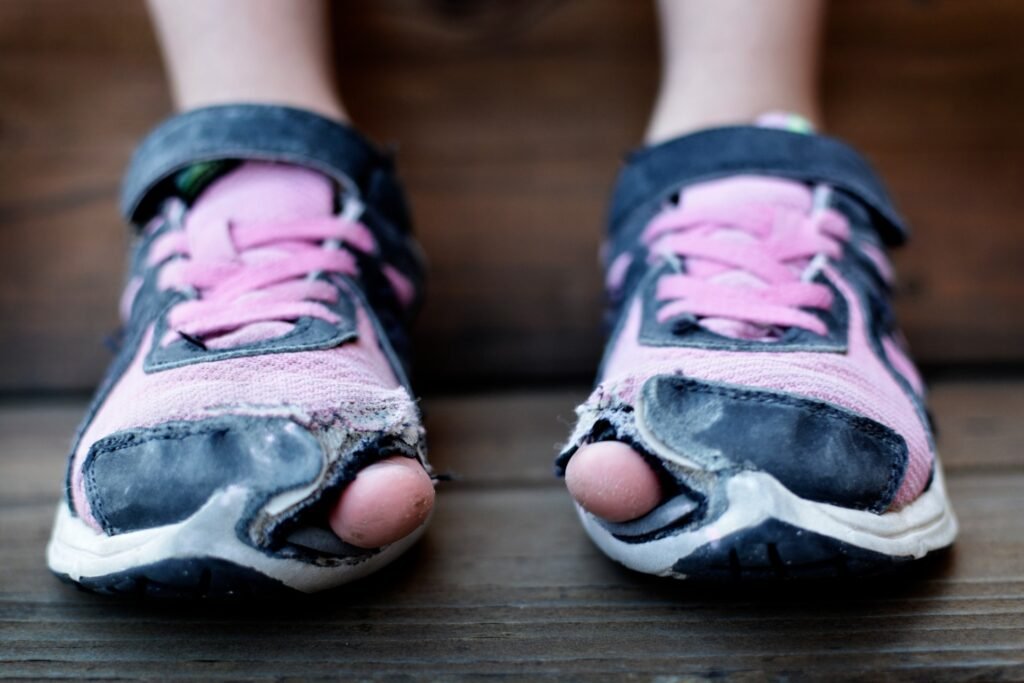
New Zealand has 169,300 children living in material hardship and more than 350,000 in financially insecure households – and the country is now officially off track to meet the child poverty targets it set itself in law.
CPAG unveiled its Manifesto to Reduce Child Poverty, urging every political party to commit to tackling five key areas this election year: incomes, housing, health, disability, and education.
The Budget 2026 Child Poverty Report confirmed that material hardship is heading in the wrong direction with 47,500 more children falling into hardship in the past three years, said CPAG executive officer Lyn Amos.
“Child poverty is a political choice, not an inevitability,” she said.
The Child Poverty Reduction Act 2018 was a landmark New Zealand law made with cross-party support in 2018 – and reaffirmed by the leaders of Labour and National in 2023 – aimed at halving child poverty by 2028, with material hardship down to 6%.
“Instead, it now stands at 14.3%, which means one child in every seven suffers from material hardship. For tamariki Māori it is one in four; for Pacific children, one in three; for disabled children, one in four,” said Ms Amos. “This cannot go on.”
Cross-party accountability to end child poverty needs to be much stronger, she said.
“Child poverty persists because of failures in the labour market, housing, health and disability, education, welfare and tax settings. These are political choices. Lifting children out of poverty is also a matter of priorities. We are calling on all parties to clearly commit to taking urgent action on this.”
The Manifesto, written by a group of 11 leading researchers and advocates on child wellbeing, sets out solutions across five priority areas. It calls for action on:
– Incomes: lift the minimum wage to the Living Wage; raise benefits and index them to wages; replace “Working for Families” with one simple, non-discriminatory Child Tax Credit for every child in a low- or middle-income family; dismantle poverty traps where families can lose up to 96 cents of every extra dollar earned.
– Housing: build 3,500-4,000 social homes a year; keep income-related rents at 25%; end no-fault evictions; restore accommodation supplement asset thresholds.
– Health: free GP and after-hours care for all children up to 18, free GP care in pregnancy, and more health and mental health support in schools.
– Disability: raise the Child Disability Allowance to $98 a week and remove the partner income test and abatements from the Supported Living Payment.
– Education: fees-free community-based early childhood education and Equity Index funding at 10% of school funding, as the Tomorrow’s Schools Taskforce recommended.
The lead author, Auckland University Professor Emeritus Innes Asher, said the solutions for child poverty were clear.
“We know what can work. During the years 2019-2022 there were reductions in child poverty rates because of policy changes. It’s proven. What’s missing is sustained political will.”
The first object of good government was the promotion of the welfare of its most vulnerable subjects, said Professor Asher. “Without a doubt the most vulnerable subjects are a nation’s children. Without further doubt the most vulnerable within that group are those precious, but faultless, children exposed to a life of poverty and life-compromising consequences.”
It wasn’t a question of whether New Zealand could afford to take action on these policies, said Professor Asher.
“Let’s be clear – we are already paying for child poverty. Fiscal restraint doesn’t save money; it just shifts the costs on to hospitals, emergency housing, mental health services and the justice system – this amounts to billions of dollars a year. The real question is whether we pay early, through prevention of poverty, or pay far more later, through crisis intervention.”
Every child deserved decent stable housing, food, health care, and education, said Ms Amos.
“Of course every politician would agree with that. But there are some policies which help and some which inadvertently create more poverty,” she said.
“Children can’t vote and can’t lobby. Our kids deserve politicians who are mature enough to come together across the House and focus on what works – not ideology or political point-scoring. Our children need funding, they need focused attention, and they need love.
“This election year, our message to every party is simple: We love all kiwi kids. We know what we need to do. Let’s get on with it.”