


Sarah McMillan/cvnznews.com
As Pope Leo XIV urges the Catholic Church to confront its history of clergy sexual abuse with humility, truth and accountability, his message is finding particular resonance in New Zealand, where survivors say the battle for justice is still not over.
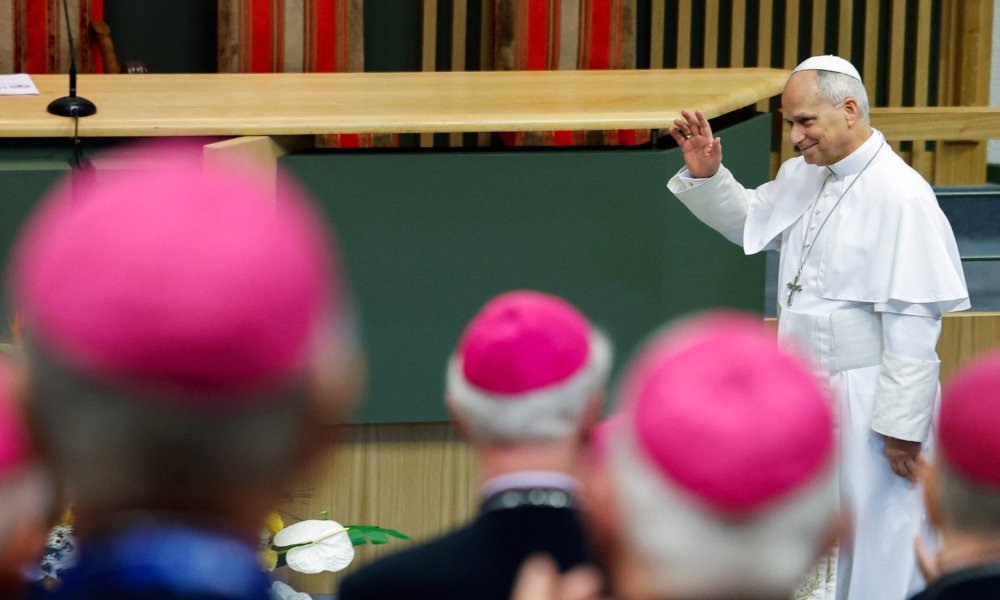
Speaking during a Mass in Lourdes, France, the Pope acknowledged the deep wounds caused by abuse within the Church and called on Catholic leaders to continue pursuing truth and reform.
Read More:
Catholic Church Faces Escalating Pressure Over Abuse Accountability – cvnznews.com
When “Prayerful Reflection” Is Not A Substitute For Justice – cvnznews.com
“The Church must have the courage to be the first to undergo this conversion,” he said. “To heal the deep wounds, the acts of infidelity and the painful deviations committed in its midst, we must stand humbly under the Lord’s purifying gaze.”
The comments come as the Catholic Church worldwide continues to wrestle with decades of abuse scandals and growing demands for accountability.
In France, an independent inquiry estimated in 2021 that around 330,000 children were abused over a 70-year period by clergy and others associated with Catholic institutions. The French Church subsequently established an independent compensation process that has resulted in payouts worth tens of millions of euros to survivors.
Here in New Zealand, the Church has also acknowledged its failures. During the Royal Commission into Abuse in Care, Catholic leaders issued what they described as a “sincere and unconditional apology” to victims and survivors and admitted that Church systems and culture had failed those who suffered abuse.
The Church has paid millions of dollars in compensation, counselling support and other forms of redress over the years, while continuing to process claims arising from historical abuse allegations. However, survivor groups argue that financial settlements alone cannot address the full scale of the harm done.
The Survivors Network of those Abused by Priests (SNAP) Aotearoa New Zealand continues to monitor abuse allegations and advocate for survivors, maintaining that independent oversight remains essential. The organisation has repeatedly argued that victims should not have to rely solely on church-run processes when seeking justice and redress.
For many survivors, the Pope’s words are welcome. But they say the measure of success will not be found in apologies, statements or public expressions of regret.
Instead, it will be determined by whether church leaders continue exposing wrongdoing, supporting victims, compensating survivors fairly, and ensuring future generations are protected from abuse.
As Pope Leo XIV called on bishops to maintain “the greatest vigilance,” survivors in New Zealand will be watching closely to see whether those words are matched by action.