



Kaitlin Price/cvnznews.com
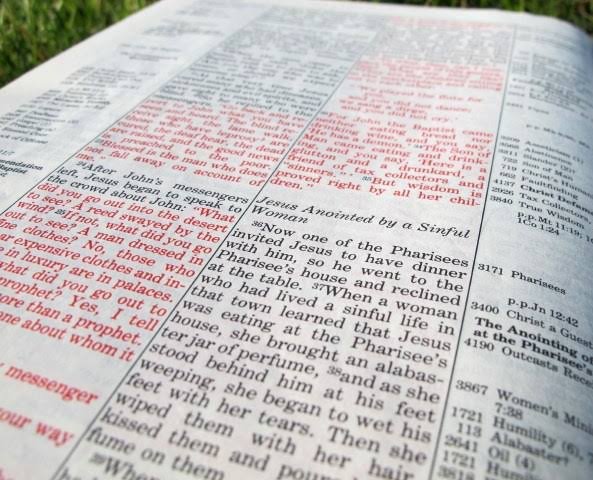
“I don’t know what Bibles you read… It served me well when I picked up the ‘Red Letter’ version of the Bible, because I could ignore all of those little black words.”
That striking statement, attributed to Dr Neil G. Thomas of the Cathedral of Hope in Dallas, highlights a growing trend in some Christian circles: embracing the words of Jesus while sidelining the rest of Scripture.
The issue is not red-letter Bibles themselves. Many Christians have found them valuable for study and reflection. The problem begins when the colour of the ink becomes a hierarchy of authority. Jesus said it, therefore it matters. Paul said it, therefore perhaps it doesn’t. Moses wrote it, so maybe we’ve moved beyond it.
Yet Jesus never treated Scripture that way.
When tempted in the wilderness, Christ repeatedly responded, “It is written,” quoting from Deuteronomy. He declared that “Scripture cannot be broken” (John 10:35) and prayed, “Your word is truth” (John 17:17). Jesus did not rescue people from the authority of Scripture. He consistently affirmed it.
There is also an important irony. Jesus did not personally write the Gospels. The words printed in red were recorded by Matthew, Mark, Luke and John under divine inspiration. If we trust their recording of Christ’s words, why would we trust them less when the ink changes back to black?

The same applies to the Apostle Paul. Some portray Jesus as compassionate and inclusive while casting Paul as responsible for difficult teachings on morality, discipline and Christian conduct. Yet the New Testament presents the apostles as Christ’s authorised witnesses. Peter even referred to Paul’s writings alongside “the other Scriptures” (2 Peter 3:16).
Moreover, anyone who reads all the red letters soon discovers that Jesus said more than comforting things. He spoke about repentance, judgment, discipleship and the cost of following Him. Selectively accepting some teachings while rejecting others is not really red-letter Christianity. It is selective Christianity.
The deeper issue is authority. Once believers decide certain parts of Scripture no longer apply because they conflict with modern culture, who decides what remains? The individual? The denomination? Society?
For Christians in New Zealand, this question is especially relevant. We live in a culture increasingly shaped by changing social values and growing biblical illiteracy. The temptation is not merely to ignore Scripture but to reshape it to fit contemporary expectations.
The red letters are precious because they reveal our Lord’s words. But they were never intended to cancel the rest of the Bible. The same Jesus who spoke those red-letter words consistently pointed people back to God’s Word. The danger is not that we might value Jesus’ words too highly, but that we might use them as an excuse to listen to the rest of Scripture too little.
Because once we decide which parts of God’s Word deserve authority, Scripture is no longer judging us. We are judging Scripture.