



OPINION: Mike Bain
Ray Davies, frontman of The Kinks, once sang about a “mixed‑up muddled up shook‑up world” in Lola. He wasn’t wrong. Today we live in a world where history is constantly re‑interpreted, language is endlessly debated, and outrage seems to be the default setting.
Events of the past week have felt a lot like Davies’ lyrics.
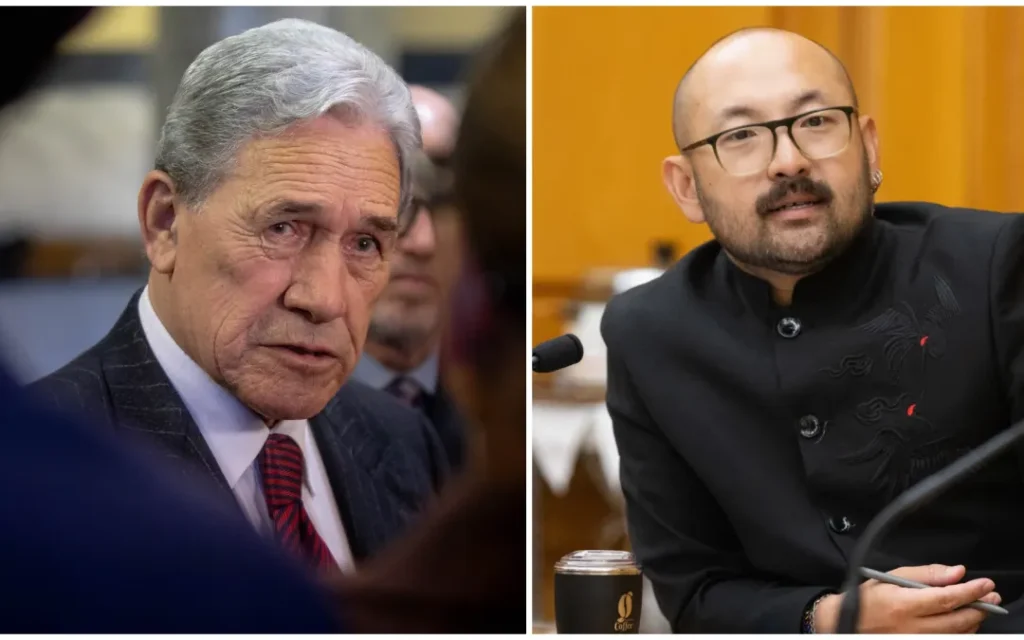
Take the headline‑grabbing moment in Parliament. During a robust debate, the Foreign Minister was repeatedly heckled by an opposition MP — standard fare in the debating chamber. Interjections happen, and speakers respond. That’s how Parliament works.
But one response from Winston Peters was quickly labelled by some commentators as a “calculated xenophobic slur” aimed at the Chinese‑born MP who was interjecting. Before most people could even turn the key in their ignition, media outlets were running hot with accusations of racist rhetoric.
Whether people agree with Peters’ choice of words or not, context matters. The setting was Parliament — a place designed for free, vigorous debate. Peters has always been a combative speaker, and his comments were not out of character. History shows similar moments elsewhere, including former Australian Prime Minister John Howard telling disgruntled newcomers that there was a plane leaving Sydney at five o’clock if they didn’t like the country’s direction.
Our politicians must be able to debate freely, respond to interjections, and defend their positions. Was Peters’ remark calculated? Was it the right response? Everyone will have their own view. But we don’t all need to climb aboard the moral‑outrage train every time a heated exchange occurs.
Davies called the world “mixed up muddled up and shook up,” and you can see it in how people are now describing Peters — often with age‑based insults that seem to pass without comment. Parliament is about to debate hate speech again, which is really a debate about the boundaries of free speech. And here we are, trying to shut down speech simply because we didn’t like what was said.
What, if anything, has changed since the sixties.