

OPINION: Triona Scully
They say everybody has at least one book in them, but they are lying.
As an author and editor, I can attest that many people barely have a paragraph in them, and for most of human history, they knew this. Then, enter stage right, ChatGPT. The most prominent of the large language models, offering the tantalising prospect of words strung together more lucidly than many people could manage alone.
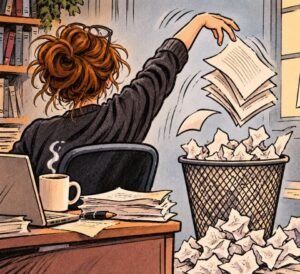
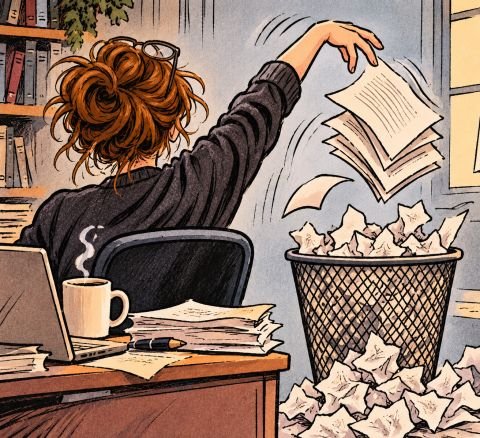
Suddenly, otherwise bad writers could imagine literary success, unscrupulous editors had a whole new customer base, and Jeff Bezos had another reason to celebrate as aspiring authors rushed to self-publish material that belonged in their laptops’ recycle bins.
The result has been an influx of substandard books that do a disservice to both their genres and the wider writing world. Personally, I’ve received more thrown-together manuscripts in the past year than in my entire writing career, and I’m finding it increasingly difficult to politely decline underdeveloped, unoriginal drafts that even a mother would struggle to praise.
So here’s my advice to aspiring authors who have never previously written as much as a postcard.
Read everything you can in the genre you want to write in. Discover writers whose work you admire, and work out what makes their writing so compelling. Join a creative writing group and learn how other writers develop their craft. Consider hiring a writing coach to help you establish your own style and writing practice.
And, above all, write.
When you’ve developed some confidence in your abilities, take an idea and turn it into a plan, an outline and eventually a first draft. By all means, use ChatGPT to answer research questions or provide motivational advice, but resist the temptation to outsource your imagination. AI can produce sentences. That doesn’t make it a storyteller.
When you’ve finished your first draft, breathe out, take a month off and return to it with fresh eyes. Rewrite it into a more polished second version. Then approach an editor, someone like myself, for honest professional feedback. Take that feedback seriously, incorporate what works and keep rewriting until you’ve produced something that deserves to be called a finished book.
And, with a bit of luck, one that someone other than your mother is proud of.