



Dr. Christopher Longhurst KSO
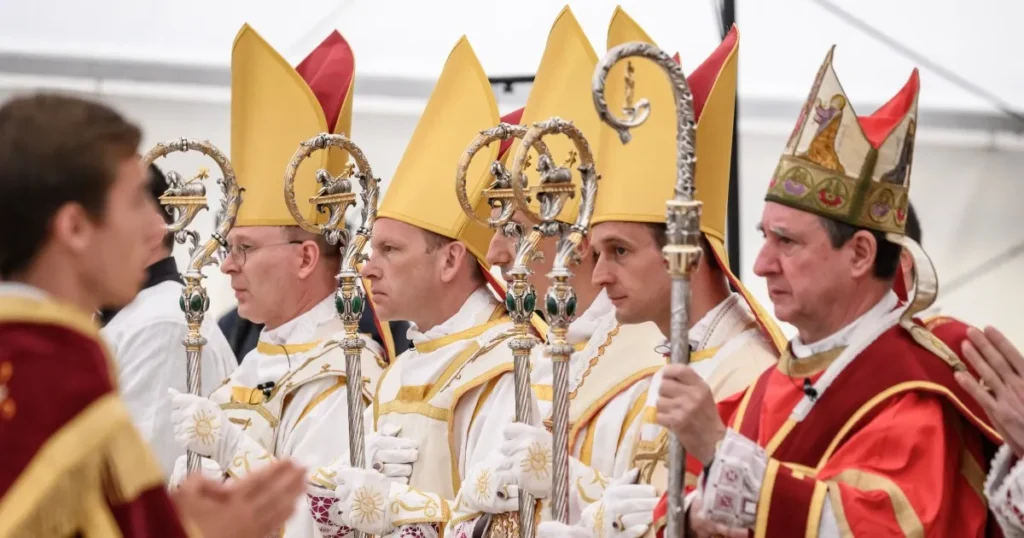
The Priestly Society of Saint Pius X decision to consecrate four new bishops without the Pope’s approval isn’t just another chapter in a long-running feud with Rome — it’s a warning light for every faith community that treats authority as untouchable.
When a movement convinces itself that it alone guards the truth, accountability becomes optional, obedience becomes one‑way, and dissent becomes a threat. I know that culture because I once lived inside it. What looks like certainty from the outside can feel like control from within — and when leaders operate beyond scrutiny, harm is never far behind.
Predictably, supporters have celebrated the move as heroic fidelity to tradition. Critics have called it another schism. Both may be missing the more important point.
The real question is not whether the SSPX has broken canon law again. It is what this latest act reveals about a religious culture in which authority is fiercely defended yet readily defied, obedience is demanded yet not modelled, dissent is discouraged yet legitimate questions remain unanswered, and accountability becomes increasingly difficult.
I know that culture because I once belonged to it. As an eighteen-year-old searching for certainty, I found traditionalism enormously attractive. It offered clear answers in an uncertain world. Everything seemed beautifully ordered. Truth appeared fixed. Priests inspired confidence. Obedience was presented as a virtue. Loyalty was considered a sign of holiness.
Only later did I realise that the very qualities that first attracted me could also become profoundly harmful. History has repeatedly shown that whenever religious leaders are placed beyond meaningful scrutiny, faith-based abuse becomes easier to conceal.
This is not merely my opinion. Public inquiries in New Zealand, Australia, Ireland and elsewhere have consistently identified the same warning signs: excessive deference to clergy, rigid hierarchies, opaque decision-making, cultures of obedience, and institutional loyalty taking precedence over accountability, humility, openness and transparency. These are precisely the conditions in which survivors of clerical abuse have struggled to be believed.
None of this means traditional Catholicism causes abuse. It does not. Nor does every traditionalist community become unhealthy. But certain cultures create greater risk than others. The question, therefore, is what kind of culture produces the confidence to defy the Pope, and what that same culture means for accountability inside the movement?
When loyalty to a movement becomes more important than openness to truth, the Gospel, and accountability, institutions begin to protect themselves before they protect people. That is where the risk begins, and it is from there the harm begins to fester.
The SSPX’s decision to ordain bishops without the Pope’s approval illustrates something deeper than an ecclesiastical dispute. It reflects a worldview convinced that its own leaders possess a superior grasp of truth, even over the Church they claim to defend.
That confidence may inspire admiration among supporters, but it also invites scrutiny because movements that become convinced that they alone possess the truth often become equally convinced they need answer to no one. But while every institution needs leadership, none is exempt from accountability.
The lesson of the Catholic clerical sexual abuse scandal was never that the Church had too much tradition. It was that too many leaders were trusted without sufficient oversight.
The Gospel does not ask Christians to surrender their conscience to religious power. It calls church leaders to humility, service, and truth.
That remains true whether the mitre is worn with the Pope’s approval—or without it.