

Author: Dr. Christopher Longhurst KSO

Dr. Christopher Longhurst KSO
Christopher Longhurst is a New Zealand Catholic theologian and survivor advocate whose writing examines theology, institutional culture, and accountability in responses to abuse.
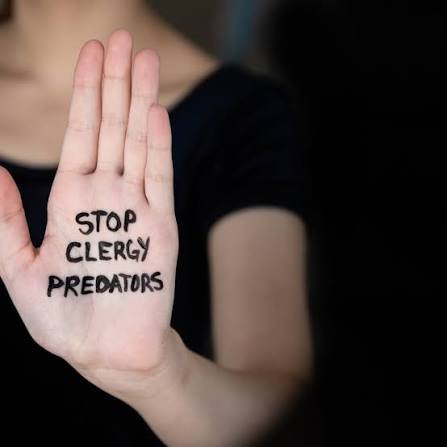
OPINION: Dr. Christopher Longhurst KSO The National Office for Professional Standards (NOPS) claims that safeguarding conversations within the Catholic Church in Aotearoa New Zealand are now “warm, open and focused on support rather than compliance”, and that its review programme demonstrates a “positive culture shift”. A close reading of several review reports suggests otherwise. What emerges is not evidence of transformed safeguarding culture, but a review framework that appears unable to determine whether meaningful change has occurred. A REVIEW DESIGNED TO AVOID THE TRUTH Each report begins with disclaimers so broad they raise questions about the process itself. They are…
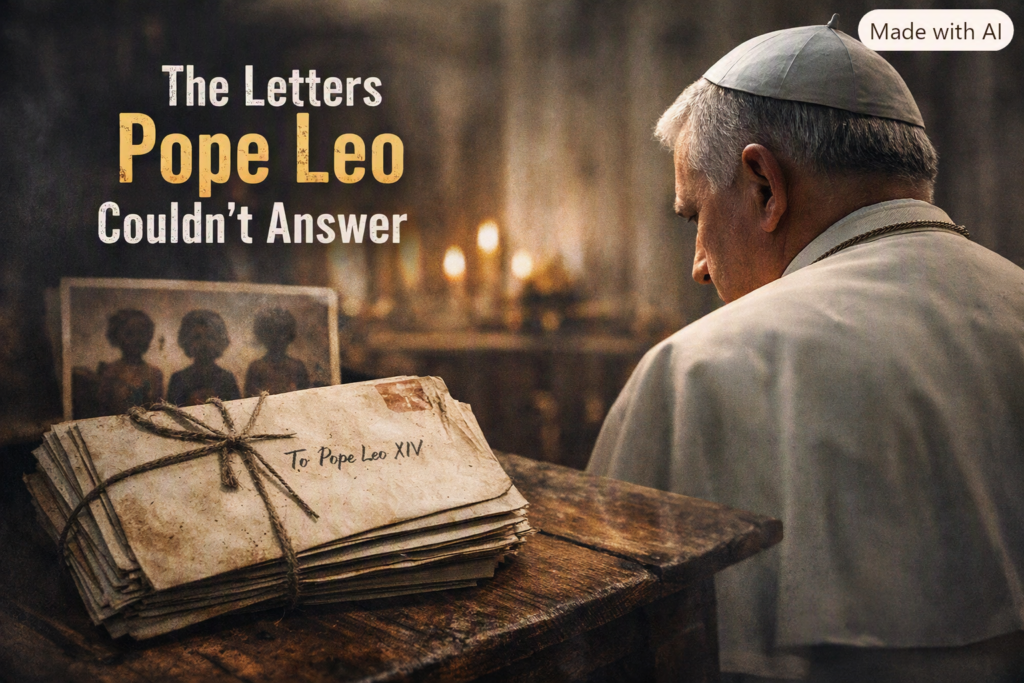
Dr. Christopher Longhurst KSO Pope Leo XIV (Robert Prevost) has repeatedly spoken about the Catholic Church’s responsibility to listen to survivors of abuse. In March 2026, addressing the Pontifical Commission for the Protection of Minors, he said survivors’ experiences are “essential reference points” for the Church. Their suffering, he said, brings truth to light and teaches the Church humility. Listening to victims and survivors, he insisted, “must find concrete expression” in every ecclesial community and institution. In April, a message issued in his name went further. Those who have suffered abuse, it said, deserve “humble listening” and perseverance in seeking…
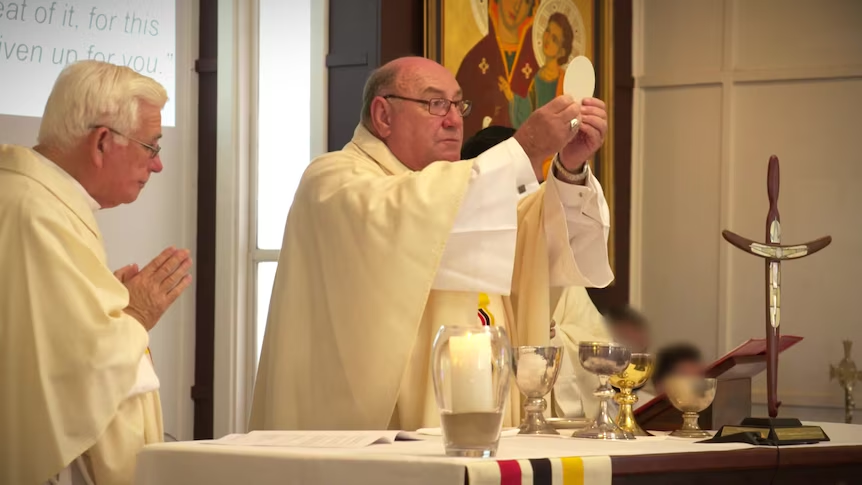
Dr. Christopher Longhurst KSO The former Catholic Bishop of Broome, Christopher Saunders, has finally been convicted of sexually abusing young Aboriginal men. But the most damning fact in this case may be that the system had years to protect those vulnerable men—and failed. Saunders was not an obscure priest operating in the shadows. He was a bishop for 25 years. Ordained a priest in 1976, he became Bishop of Broome in 1996. He had status, money, institutional authority, access to remote Aboriginal communities and the credibility that comes with wearing a mitre and representing the Catholic Church. The young men…

OPINION: Dr. Christopher Longhurst KSO The New Zealand Catholic Church’s Safeguarding Guidelines clearly establish a structure in which the Church’s National Safeguarding and Professional Standards Committee (NSPSC) is responsible for overseeing the work of its National Office for Professional Standards (NOPS). NOPS, in turn, is responsible for coordinating responses to complaints under A Path to Healing, the Church’s redress protocol for complaints of sexual abuse by clergy and religious. So far, so good. But when we look more closely at who occupies the chairs of these bodies and who sits around their respective tables, the apparent separation between oversight and…
Editors Note: A debate over accountability and editorial judgement — Dr Christopher Longhurst’s latest opinion piece examines how institutions communicate urgency and responsibility in the wake of abuse‑in‑care hearings. His reflection on moral consistency within the Catholic Church is followed by a full response from CathNews NZ editor Gavin Abraham. CVNZ News publishes both perspectives in the interest of transparency and fair public discussion. Opinion pieces represent the views of their authors and do not necessarily reflect the position of CVNZ News. The Straw Man That Avoided The Real Question Opinion by Christopher Longhurst KSOOne of the most memorable papers…
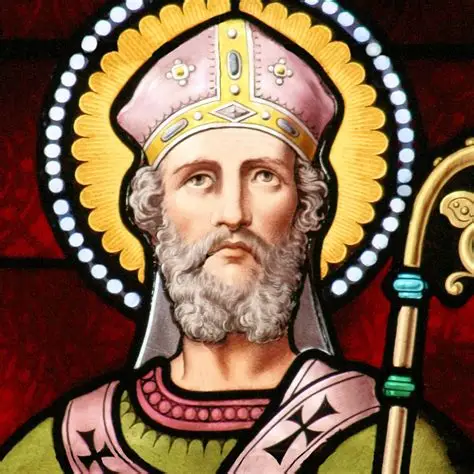
Dr. Christopher Longhurst KSO Theology is often assumed to be in decline today. Yet it has probably never been more intellectually vibrant. As an academic discipline and a global field of study, it is broader, more diverse, and more interdisciplinary than at any point in its history. Several trends support this claim. Comparative and interreligious theology are flourishing. Public theology is expanding, and transdisciplinary theology is developing. Nevertheless, confessional theology remains under pressure in most Western countries today, probably because it is still shackled to the medieval formula of an 11th century monk who argued that belief should precede understanding.…
Dr. Christopher Longhurst KSO The New Zealand Catholic Bishops’ news outlet, CathNews NZ, recently amplified survivors’ frustration at the Government’s sluggish pace in acting on the Royal Commission’s recommendations. Fair enough. But let’s not pretend the obvious question isn’t sitting in the middle of the room like a siren. When will the Church stop pointing fingers and start holding itself to the same standard? The irony is impossible to ignore. A Church that has repeatedly resisted revisiting inadequate redress for survivors now criticises the Government for moving too slowly. A Church that has spent years defending gradual processes, lengthy reviews,…

Dr. Christopher Longhurst KSO There is something wonderfully reassuring about the current language of church leaders. We live in an age where the words “dialogue,” “human dignity,” “listening,” and “walking together” have become almost sacred vocabulary. They appear frequently in papal speeches, bishops’ statements, pastoral plans, conferences, and carefully crafted public messages from church communications managers. Dialogue is celebrated as the pathway to reconciliation. Human dignity is affirmed as a foundational value. Listening is presented as the mark of a compassionate institution. How inspiring! The only slight difficulty arises when someone actually arrives wanting to have a dialogue. Because dialogue…
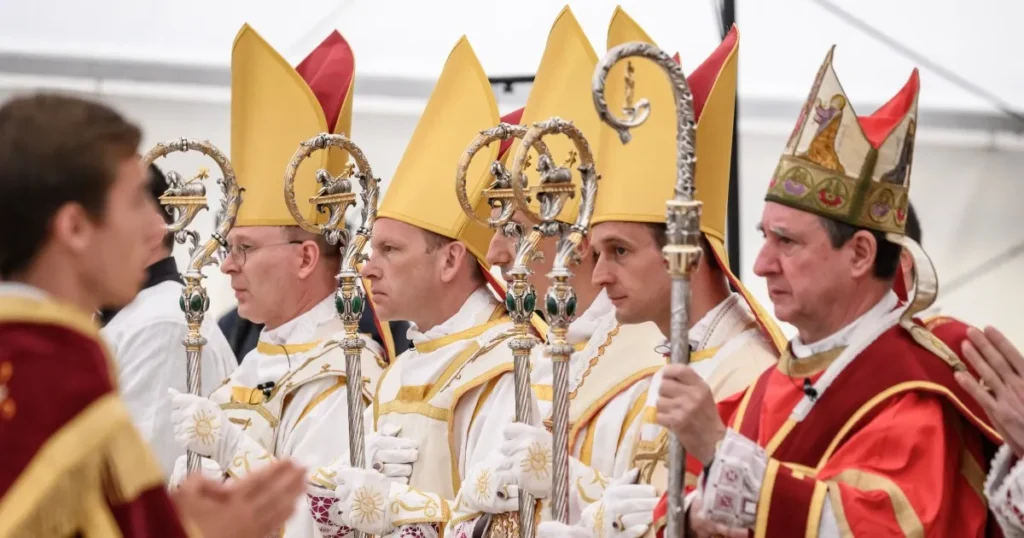
Dr. Christopher Longhurst KSO The Priestly Society of Saint Pius X decision to consecrate four new bishops without the Pope’s approval isn’t just another chapter in a long-running feud with Rome — it’s a warning light for every faith community that treats authority as untouchable. When a movement convinces itself that it alone guards the truth, accountability becomes optional, obedience becomes one‑way, and dissent becomes a threat. I know that culture because I once lived inside it. What looks like certainty from the outside can feel like control from within — and when leaders operate beyond scrutiny, harm is never…
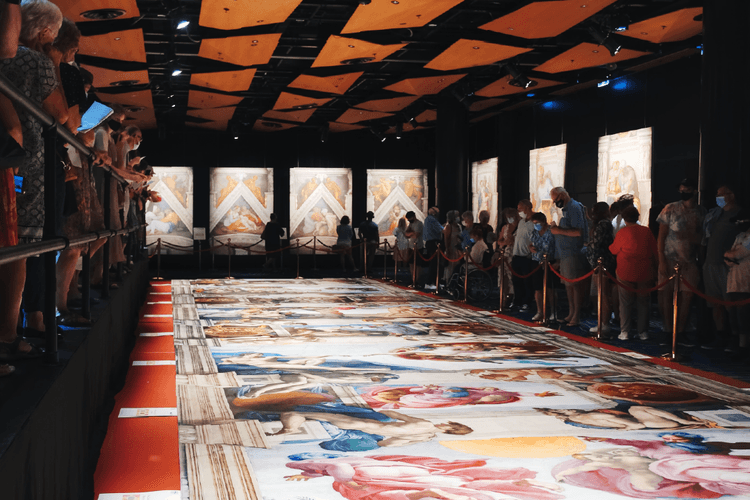
Dr Christopher Longhurst KSO.Michelangelo’s famous frescoes in the Vatican’s Sistine Chapel were never just aboutreligion. Yet while I was leading tours of Michelangelo: A Different View at Wellington’sTākina last summer, I was struck by how many people told me that friends and family hadskipped the exhibition because they assumed it was “just religious art.”They couldn’t have been more mistaken. I have come to think it is almost a polite fiction to keep calling Michelangelo’s Sistine Chapelmasterpieces “religious art.” The label may reassure some and tame the imagery for others,but it ultimately diminishes one of the most provocative artistic visions in…
For many survivors of clerical sexual abuse, the abuse did not end when the offending stopped. A second wound often followed.

Survivors named their abusers. The Royal Commission didn’t. Its final reports turned personal wrongdoing into anonymous “institutional failure,” leaving truth‑tellers exposed and the powerful protected. Christopher Longhurst. One of the most troubling legacies of New Zealand’s Royal Commission of Inquiry intoAbuse in Care was its reliance on generalised language that often concealed theidentities of those accused by survivors. Throughout the Inquiry, survivors were encouraged to tell the truth about whathappened to them. Many spoke publicly and courageously about specific priests,brothers, nuns, bishops, caregivers, and institutional leaders. They named names. Theyidentified perpetrators. They described in detail who abused them, who ignored…
By Christopher Longhurst. A survivor of clerical child sexual abuse in the New Zealand Catholic Church recalledbeing told by a Catholic priest that clergy simply had to “take it on the chin” inresponse to abuse disclosures. I heard the same phrase from a Catholic priestmyself. While such remarks should not be mistaken for official Church positions, norassumed representative of all clergy, their recurrence across separate conversationsis striking. The apparent expectation that clergy be commended for taking abusedisclosures “on the chin” risks recasting accountability as an act of endurancedeserving sympathy, rather than a minimum obligation owed to those harmed. The expression…
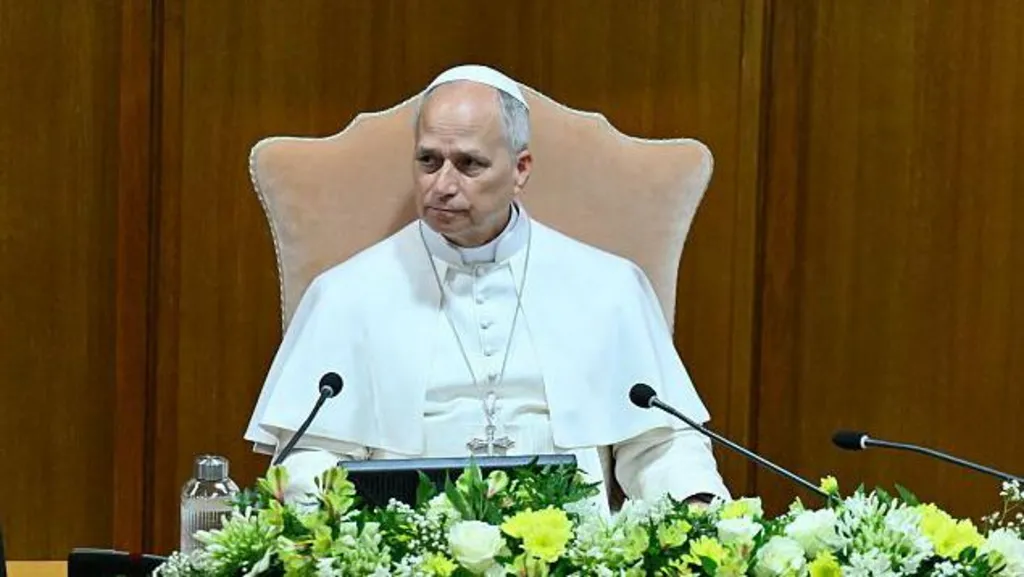
By Dr Christopher Evan Longhurst KSO Pope Leo XIV’s first encyclical, Magnifica Humanitas (Magnificent Humanity),published this month, warns that AI risks concentrating power, narrowing humanfreedom, and placing too much authority in the hands of unaccountable systems. Yetthe document raises an uncomfortable question closer to home: when the Vaticancritiques concentrated moral authority, is it also critiquing itself? Magnifica Humanitas is an ambitious and rhetorically compelling intervention into theethical challenges posed by AI. Yet beneath its appeal to human dignity lies a deeperclaim: that the Catholic Church continues to claim a privileged role in interpretingwhat authentic human flourishing requires in the age…