



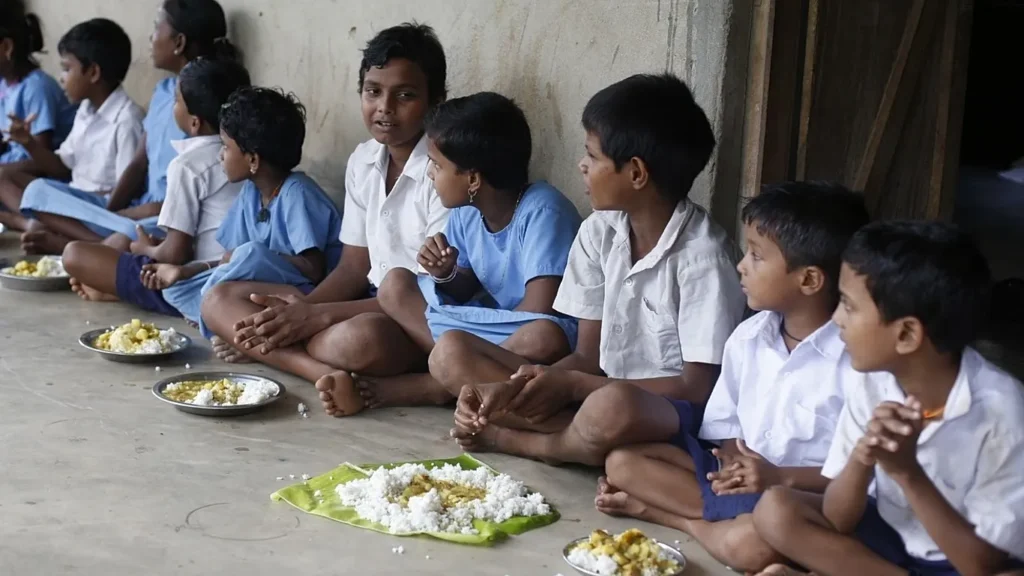
By Marta Iraola Iribarren/Euronews
The World Health Organization warns that unsafe food harms millions of people worldwide, with children being particularly impacted.
More than 860 million people fall ill and 1.5 million die worldwide every year due to unsafe food, the World Health Organization has warned.
In a new report published ahead of World Food Safety Day on 7 June, the WHO estimates that millions of people across the world suffer severe health consequences as a result of contaminated or poorly handled food.
“Food safety is not an abstract issue — it touches every meal, every family, every day,” said Dr Tedros Adhanom Ghebreyesus, WHO Director-General.
“Unsafe food has always been a major public health concern, but until now we lacked the bigger picture of its staggering human and economic toll.”
“For the first time, countries have their own data to see where the burden is highest. With that knowledge, governments can prioritize the actions needed to protect people’s health.”
The report estimates that in 2021, foodborne disease led to approximately $310 billion (€267bn) lost productivity due to illness.
Many of these illnesses and deaths, the organisation adds, could be prevented through improved water, sanitation and hygiene, food safety practices such as pasteurisation and access to health care for vulnerable populations.
The WHO also cautions that climate change is expected to have a large impact on food safety. Extreme weather events, rising air and water temperatures, and shifting precipitation patterns will heighten the risks posed by existing and emerging foodborne illnesses.
Children are especially vulnerable
The most affected are children younger than five years old, who face three times the risk compared with older children and adults. They account for 29% of the health burden linked to unsafe food and 143,000 deaths in 2021 alone.
“Despite being just 9% of the global population, young children suffer from nearly one third of all cases of foodborne diseases, particularly diarrhoeal diseases, which can be deadly for this vulnerable age group,” the WHO said.
Young children are also more susceptible to chemical exposure through food, which can impair brain development and cause lifelong neurological and developmental harm.
The report also highlights deep inequalities within food systems. Those living in low-resource communities bear the greatest health burden, particularly in low- and middle-income countries.
The African and South-East Asian regions together account for nearly three-quarters of all foodborne illnesses and 60% of deaths globally.
What are the main causes of foodborne illnesses?
Foodborne illnesses are infectious or toxic in nature, caused by bacteria, viruses, parasites, or chemical substances entering the body through contaminated food. In Europe, the most common include the following:
Campylobacteriosis: mainly linked to raw or undercooked poultry, unpasteurised milk, ruminant meat and contaminated water. According to the European Food Safety Authority (EFSA), this bacterium shows clear seasonality, with a peak of cases in the summer months.
Salmonellosis: most frequently associated with eggs and raw meat from pigs, turkeys and chickens. Symptoms include fever, diarrhoea and abdominal cramps. It can be life-threatening if the bacterium enters the bloodstream.
STEC infection: connected to the consumption of raw and undercooked meats, dairy products made from unpasteurised milk, raw leafy greens, and unpasteurised juices.
Listeriosis: a rare infection, often severe with high hospitalisation and mortality rates.