



Colin Ambler/cvnznews.com
Rotorua has put its homelessness crisis squarely on the table — and the numbers now publicly laid out are as stark as the faces behind them. New data presented to Rotorua Lakes Council shows a city where housing insecurity has become entrenched, long‑term, and generational, prompting councillors to endorse a new strategy aimed at not just managing homelessness, but preventing it.
The strategy, He Urunga Rau Koromiko 2026, arrives with a blunt reality check: 808 households are currently waiting for public housing in Rotorua, and almost half of them fall into the Ministry of Social Development’s highest‑needs category. Nationally, that figure sits at 29%. Rotorua’s crisis is not just worse — it’s deeper.
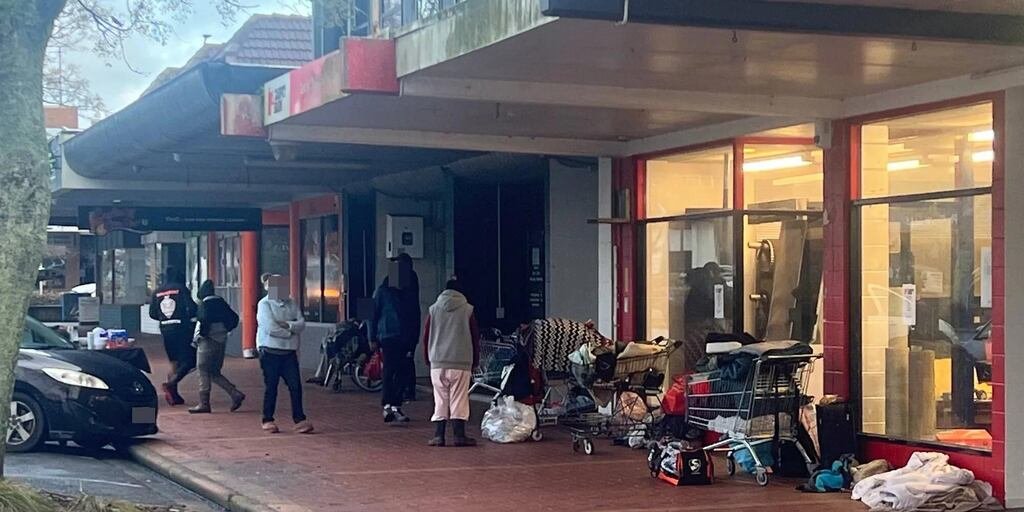
Nearly 42% of those households have been waiting three years or more for help. Emergency motels, overcrowded homes, garages, sheds, unsafe rentals, and rough sleeping have become the city’s unofficial overflow system. Police data shows 206 people without a home have come into contact with officers over the past two years. Housing First figures reveal that almost a third of its Rotorua clients have remained in the programme for three years without securing permanent housing.
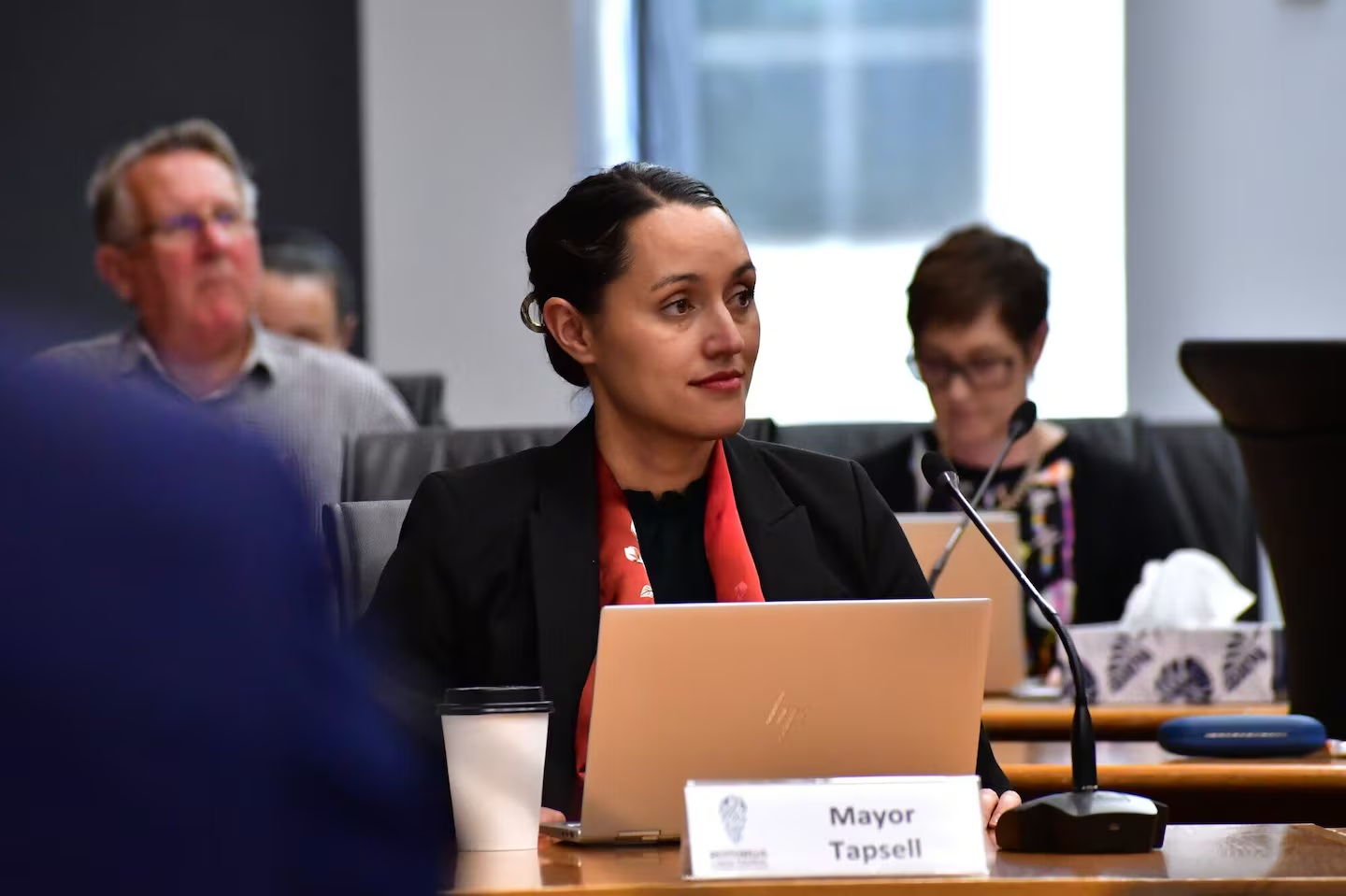
Mayor Tania Tapsell didn’t sugarcoat it. “Behind those numbers are people,” she told councillors, acknowledging that the city’s homelessness response has long been fragmented, inconsistent, and reactive. The new strategy aims to flip that — shifting the focus from crisis management to early intervention, including a by‑name register to give agencies a clearer picture of who needs help and where the system is failing them.
One of the most sobering insights: almost half of all people experiencing homelessness in New Zealand are under 25, and Rotorua is no exception. Tapsell called this the “heartbreaking learning” of the process — the age at which homelessness first strikes is getting younger, and the long-term consequences are profound.
Te Taumata o Ngāti Whakaue housing manager Jordan Robertson welcomed the strategy’s recognition of the disproportionate impact on Māori, saying iwi‑led solutions must be central to any meaningful change.
The council has approved the plan without new funding — at least for now. Work will begin within existing budgets while external funding is explored. A public dashboard is being developed to track progress, with early goals including reducing youth homelessness, improving housing supply, and strengthening data collection.
Tapsell says the measure of success is simple: fewer people reaching crisis point. And she wants to see “very significant improvements within one to two years.”