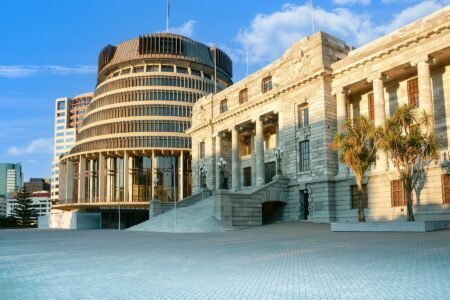



Colin Ambler/cvnznews.com
As New Zealand waits to discover who will govern the country, economists are warning that uncertainty is becoming a theme both in politics and the economy.
Analysis from Kiwi Economics says last week’s general election has left the country facing a prolonged period of uncertainty, with the final makeup of Parliament and any future government still unclear until special votes are counted later this month.
With around 400,000 special votes yet to be included in the final tally, several seats remain on a knife-edge. The result has delivered what Kiwi Economics described as a “record overhang”, a new party entering Parliament, and the possibility that key political figures could lose their seats because of the complexities of New Zealand’s MMP electoral system.
The situation has once again highlighted one of the ongoing criticisms of MMP. While the system was designed to provide broader representation, it can also produce lengthy periods of negotiation and uncertainty before a government is formed.
“Hopefully we have a Government by Christmas,” the report noted, reflecting growing frustration over the prospect of weeks of coalition discussions and political bargaining.
But politics is only part of the story.
Economic indicators released last week painted a concerning picture for many New Zealand households. Unemployment rose to 5.7 percent, reaching its highest level in more than a decade and defying expectations that labour market conditions would improve.
Of particular concern is the rise in long-term unemployment. According to the Household Labour Force Survey, more than one in five unemployed New Zealanders have now been out of work for more than a year. That amounts to 36,300 people facing long-term joblessness, the highest proportion since the mid-1990s.
Economists warn that long-term unemployment often creates a vicious cycle. Skills deteriorate, confidence declines, and employers become increasingly reluctant to take a chance on someone who has spent an extended period outside the workforce.
The worsening employment figures are also contributing to the continuing migration of skilled New Zealanders to Australia, where stronger labour market conditions continue to attract workers across the Tasman.
Meanwhile, global markets experienced significant volatility. US share markets initially surged following the American mid-term elections before concerns about increased regulation, particularly around artificial intelligence and technology companies, sent major indexes lower by week’s end.
Against that backdrop, New Zealand’s Reserve Bank faces its own balancing act. While inflation pressures remain, signs of labour market weakness and growing international instability complicate future interest rate decisions.
For ordinary New Zealanders, however, the message is simpler.
Voters have delivered a result that offers no immediate certainty about who will lead the country. At the same time, rising unemployment, economic pressures and concerns about future growth continue to weigh heavily on households.
The tribe may have spoken, but what exactly it said remains unclear.
Until the special votes are counted and coalition negotiations conclude, New Zealand finds itself in a familiar yet uncomfortable position: waiting.
And in both politics and the economy, uncertainty comes at a cost.