

Mike Bain/cvnznews.com
Te Pāti Māori’s push for sweeping tax reform has opened a fresh front in the election campaign, with National warning the proposals would amount to “five new taxes” under a Labour‑led Government.
The party has outlined a suite of revenue measures it says are needed to rebalance the economy and fund major social investment. Their plan includes a stamp duty on property, a bach tax, an international company tax, a land tax, and a wealth tax targeting the richest 3% of New Zealanders. Te Pāti Māori also wants higher corporate tax rates and an increased top income tax rate.
Read More: Te Pāti Māori Unveils Tax Plan Promising Big Savings for 4.5 Million New Zealanders – cvnznews.com
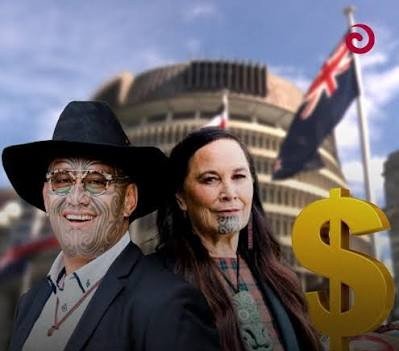
Co‑leader Rawiri Waititi has described the changes as “transformational” and a bottom line for any future coalition deal, arguing the current system favours wealth accumulation over community wellbeing. Te Pāti Māori says the taxes would fall overwhelmingly on high‑income earners, offshore corporations and land‑banking investors — not everyday workers.
National sees it very differently.

Campaign Chair Simeon Brown says the proposals show what a Labour‑Greens–Te Pāti Māori governing arrangement would look like: “tax, tax, tax and more tax.” He argues Labour’s $18 billion in spending promises cannot be funded without new taxes, and that Te Pāti Māori’s plan is the clearest sign of where a left‑leaning coalition would head.
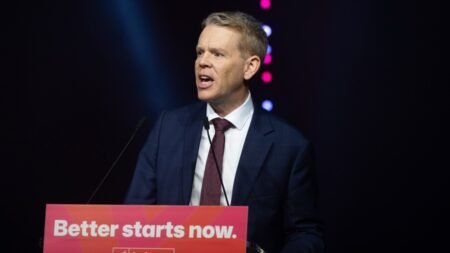
“Chris Hipkins can’t credibly dismiss these taxes while Labour has an $18 billion bill to pay,” Brown said, pointing to Labour’s stated intention to lift Government revenue to 33% of GDP. “New taxes are a necessity for Labour to make its spending promises add up.”
National says the proposals would hit homeowners, small businesses and families already struggling with rising costs, calling it “the biggest tax grab in history.” The party has reiterated its own position: no new taxes.
Te Pāti Māori rejects the criticism, saying the plan is about fairness — 97% of New Zealanders would pay no wealth tax, while the wealthiest 3% would contribute more.
With both sides framing the debate as a choice about the country’s future, tax policy is shaping up as one of the election’s most polarising battlegrounds.