


Colin Ambler /cvnznews.com
Labour leader Chris Hipkins has admitted he was not initially given the full picture surrounding a gang-linked event attended by former Labour candidate Kerrin Leoni, saying he would likely have acted sooner had more information been available.
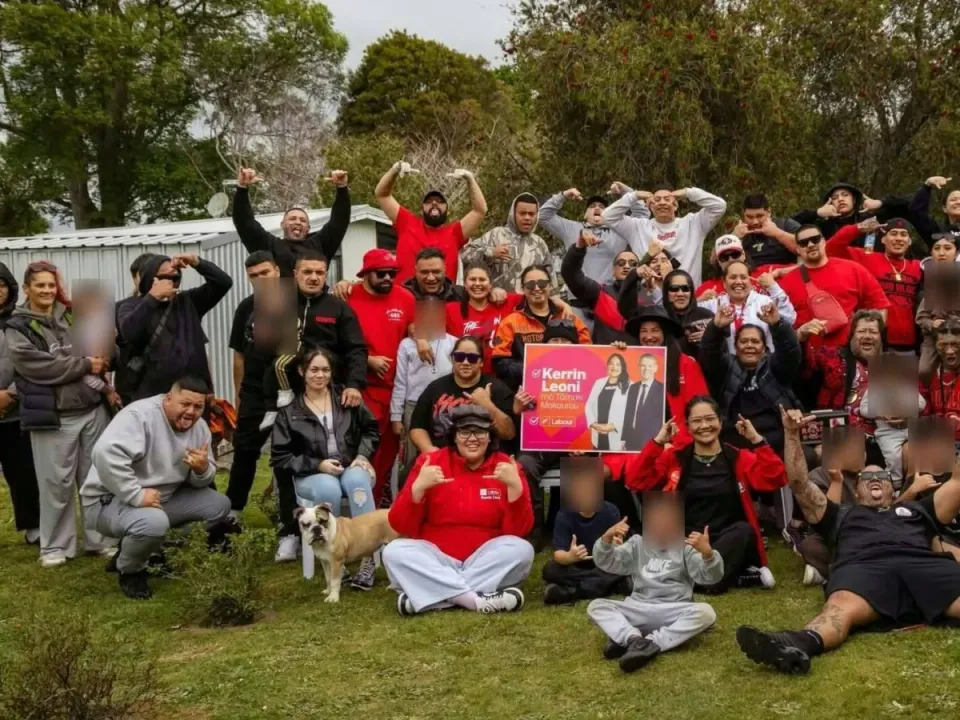
Leoni resigned from Labour’s campaign on Friday after video emerged showing her campaigning at an event linked to the Mongrel Mob. The resignation capped a difficult week for Labour, with questions mounting over candidates’ contacts with gang members and the party’s approach to vetting candidates.
Speaking to reporters following Leoni’s resignation, Hipkins said the information he previously received did not reveal the true nature and scale of the gathering.
“The information that I had previously had clearly didn’t reveal the true extent of the gathering, and had I had that, we might have done something differently earlier on,” he said.
Hipkins said Leoni had apologised and acknowledged she had not handled the situation well.
“I was very disappointed. It is a clear violation of the very clear standards that I have set out for our MPs and candidates. I think it was a very, very bad judgment call, and she’s paid a very high price for that.”
An emotional Hipkins described the situation as “bloody hard”, particularly where family relationships and loyalties were involved. He also expressed concern about some of the public reaction, saying there had been “an element of racism” surrounding the controversy.
The issue has become one of the defining political stories of the campaign’s final stages.
Questions first emerged after reports connected Leoni’s attendance at an event involving gang members. Subsequent video footage intensified scrutiny and prompted renewed attacks from Labour’s political opponents, who argued the incident raised serious questions about judgment and standards within the party.
The controversy comes at a time when gangs are already a significant election issue. Successive governments have faced criticism over gang growth, organised crime, drug trafficking and public safety concerns. Political parties across the spectrum have promised tougher approaches to gangs, making any perceived association with gang organisations particularly sensitive during an election campaign.
Reports this week suggested the gathering in question had been promoted as a fundraiser connected to a Mongrel Mob rogue chapter. Hipkins said he had been assured the event was not a fundraising event and stressed he had seen no evidence of Labour fundraising involving gangs.
“If there was, that would be a very serious matter,” he said.

For Labour, the resignation is an unwelcome distraction in the closing days of the campaign as attention shifts away from policy announcements and back to questions of candidate conduct and leadership judgment.
The episode also highlights the complex reality facing some candidates, particularly in communities where family, cultural and community connections can overlap with networks that politicians are expected to keep at arm’s length.
While Leoni’s political future remains uncertain, the resignation appears intended to draw a line under a controversy that has increasingly overshadowed Labour’s campaign messaging.
With only days remaining before voters head to the polls, both Labour and its opponents are likely to continue debating not only the actions of one candidate, but the broader question of how politicians should engage with individuals and communities connected to New Zealand’s gang culture.