



Mike Bain/cvnznews.com
Are New Zealand’s stadiums actually fit for purpose — or were they built for a narrow era of single‑sport dominance that no longer reflects how we use them? As concerts, festivals, community events and multi‑code fixtures grow, the country is discovering that many of its big venues are struggling to keep up with modern demands.
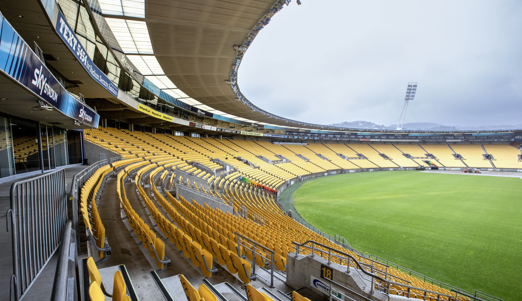
Wellington’s Hnry Stadium is the latest example. A new report shows the venue cannot afford the $42 million in maintenance required over the next decade. The stadium’s trust says it simply doesn’t have the revenue base to cover the rising costs of ageing infrastructure, earthquake strengthening, and upgrades needed to host diverse events.
The problem isn’t unique to Wellington. Across New Zealand, stadiums built primarily for rugby or cricket are now expected to host global touring acts, cultural festivals, football fixtures, and community gatherings — all requiring different seating layouts, sound systems, turf protection, and crowd‑flow designs. Many of these older venues were never designed for that level of versatility.
The question is becoming unavoidable: what is the future of big stadia in New Zealand?
Do we continue pouring millions into maintaining ageing single‑purpose structures? Do we redesign them for multi‑use flexibility? Or do cities need entirely new models — smaller, smarter, modular venues that can adapt to whatever event the country throws at them?
Sky Stadium’s financial warning is a symptom of a wider national issue. As expectations rise and budgets tighten, New Zealand must decide whether its stadium network evolves — or whether it continues to limp along, patched and repaired, while demand outpaces design.
The debate is no longer about sport alone. It’s about whether our stadiums can serve the country’s cultural, economic and entertainment future.