



Kaitlin Price/cvnznews.com
Critics say £100 million should support struggling parishes, while church leaders insist the reparative justice programme is a moral and Christian obligation.
The battle over the Church of England’s controversial £100 million slavery reparations fund has intensified, with senior clergy defending the initiative even as a legal challenge seeks to halt it.
The challenge has been launched by Rev Dr Jamie Franklin and Dr Bijan Omrani, who argue that Project Spire, the Church’s flagship reparative justice programme, is an unlawful use of Church funds. They contend that the assets managed by the Church Commissioners are legally designated to support parish ministry and clergy, not a separate charity focused on historical reparations.

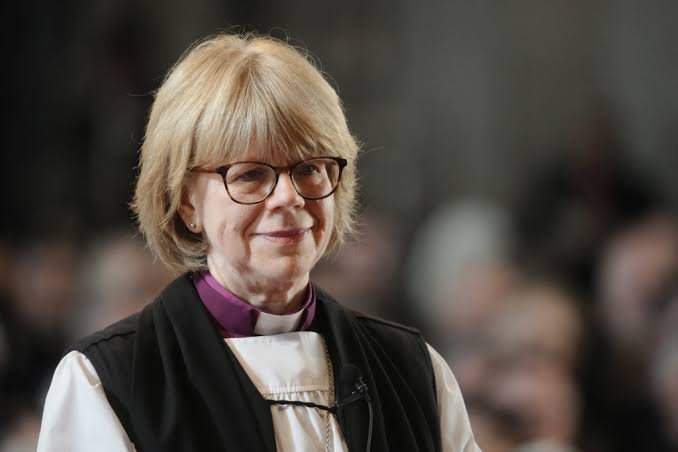
The dispute has now drawn a public response from Archbishop Sarah Mullally, the Archbishop of Canterbury. Defending Project Spire, the Archbishop said the initiative does not reduce support for local churches or clergy and insisted that funding for dioceses and parishes continues to increase. She described the project as part of the Church’s commitment to confronting historic injustice.
Project Spire was launched following research commissioned by the Church Commissioners into historical links between Queen Anne’s Bounty, an eighteenth-century church endowment fund, and the transatlantic slave trade through investments connected to the South Sea Company. The Church subsequently committed £100 million toward what it calls “healing, repair and justice” initiatives.
Supporters argue the Church has a moral responsibility to acknowledge and address its historic involvement in slavery. At the Church’s General Synod, Stephen Cottrell, Archbishop of York, described Project Spire as “a work of healing, justice and repair.”
However, opposition has continued to grow from clergy, historians, politicians and lay church members. Critics question both the historical basis for the £100 million commitment and the wisdom of allocating such a large sum when many local congregations face declining attendance, ageing buildings and financial strain.
The legal challenge could prove significant. Church leaders have acknowledged that it has already delayed plans to establish the proposed Fund for Healing, Repair and Justice, and any further progress may now depend on the outcome of legal and regulatory scrutiny.
For many Anglicans, the issue reaches beyond the question of slavery reparations. It touches on a deeper debate about repentance, historical responsibility and stewardship.
While church leaders argue that confronting past sins is integral to Christian witness, opponents counter that today’s worshippers should not see resources diverted away from parish ministry to address actions committed centuries ago.
As the legal proceedings advance, that debate is unlikely to fade. The outcome could shape not only the future of Project Spire but also how churches throughout the Western world approach the growing question of historical accountability in the years ahead.