



Colin Ambler/cvnznews.com
National Tells Voters: Don’t Forget Who Started the Cost-of-Living Crisis
As political parties ramp up their election messaging, National is asking voters to remember a simple question when they look at their household budget: who was in charge when inflation, mortgage rates and grocery bills surged?
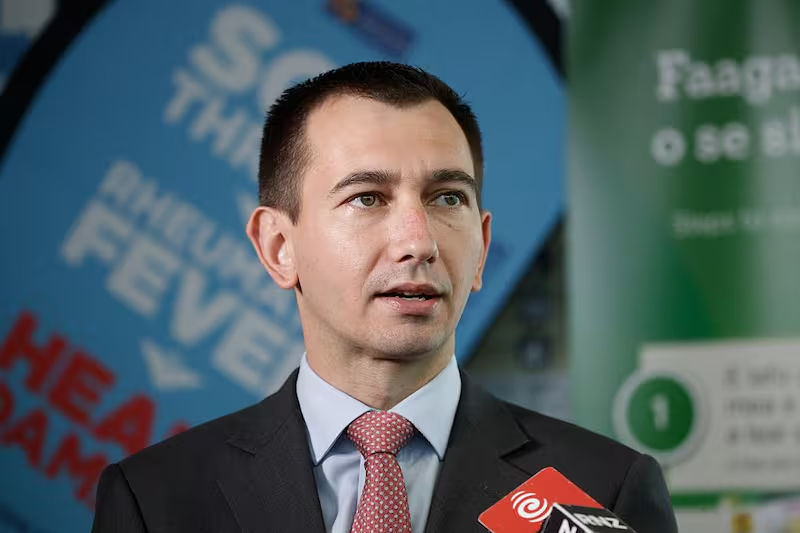
In a strongly worded attack on Labour, National Campaign Chair Simeon Brown argues that while many New Zealanders are still struggling with living costs, the worst of the economic pressures were inherited from the previous government.
For voters, the “what’s in it for me?” message is straightforward. National wants credit for lower inflation, lower interest rates and tax relief it says is putting more money back into family budgets.
Brown points to food inflation, which reached 12.5 percent under Labour but has since fallen significantly. He also notes that interest rates have dropped from the highs that left many mortgage holders facing sharp increases in repayments.
For homeowners and families who have been squeezed by rising costs over recent years, those issues remain highly personal. Lower interest rates can mean hundreds of dollars a month in reduced mortgage payments, while slower inflation eases pressure at the supermarket checkout.
National also highlights policies such as tax relief and FamilyBoost, which provides childcare support for eligible families. The party argues these measures are delivering practical financial assistance at a time when many households continue to feel stretched.
However, voters may also ask whether economic improvements are being fully felt in their own homes. While inflation has eased, many prices remain significantly higher than they were several years ago, and some families continue to face challenges with housing, insurance, power bills and everyday expenses.

National’s broader election argument is that New Zealand cannot afford a return to higher government spending, increased borrowing and new taxes. The party claims Labour’s policy promises would require additional taxation and could reignite inflationary pressures.
For Labour supporters, the counterargument is likely to be that global events, including the pandemic and international inflation, played a major role in the cost-of-living crisis and that government investment remains necessary to support struggling families.
For the average voter, the coming election debate may ultimately come down to one practical question: Which party can best help me get ahead financially?
That is likely to be the lens through which many New Zealanders judge the competing economic promises heading into election year.