

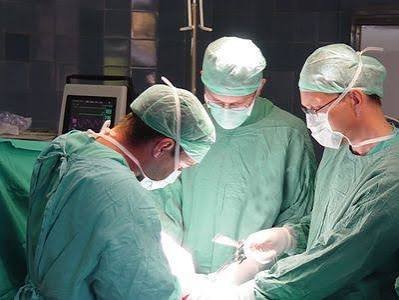
Mike Bain/cvnznews.com
Thousands of New Zealanders had their operations postponed during this year’s severe winter flu season as hospitals struggled to cope with surging demand for acute and emergency care.
Newly released figures obtained by RNZ News under the Official Information Act reveal that around 5,000 fewer planned surgeries were carried out during July and August compared with the preceding two months. Planned operations dropped from 38,824 in May and June to 33,778 during the peak winter period.
The figures offer a glimpse into the pressure facing New Zealand’s health system during what many healthcare professionals described as one of the toughest flu seasons in years.
While elective or planned surgeries are not considered immediately life-threatening, they are often life-changing procedures. Hip and knee replacements, gall bladder removals and other operations can significantly affect a patient’s quality of life, mobility and ability to work.
For thousands of patients, longer waits meant more weeks or months living with pain, discomfort or reduced independence.
According to Health New Zealand, the “unprecedented surge” in influenza and other respiratory illnesses forced difficult decisions as hospitals prioritised acutely ill patients. Staff shortages also added to the challenge, with doctors, nurses and support workers themselves affected by the same illnesses circulating through communities.
Hospital capacity was another factor. Patients requiring urgent medical treatment often occupied beds that might otherwise have been available for people recovering from surgery.
Health New Zealand said postponements were only made when it was clinically safe to do so and that decisions were assessed on an individual basis.
“The decision to postpone surgery is not taken lightly,” a spokesperson said.
Despite the disruption, there was some positive news. The health system still completed about 370 more operations during July and August than in the same period last year.
Health New Zealand credited part of that improvement to its $25 million winter preparedness programme, which included additional hospital staffing and increased community-based care designed to ease pressure on hospitals.
The figures highlight the balancing act facing healthcare providers during seasonal outbreaks. While the health system managed more surgeries than last winter, thousands of New Zealanders still found their long-awaited procedures delayed as hospitals focused on caring for the sickest patients first.