

Sarah McMillan/cvnznews.com
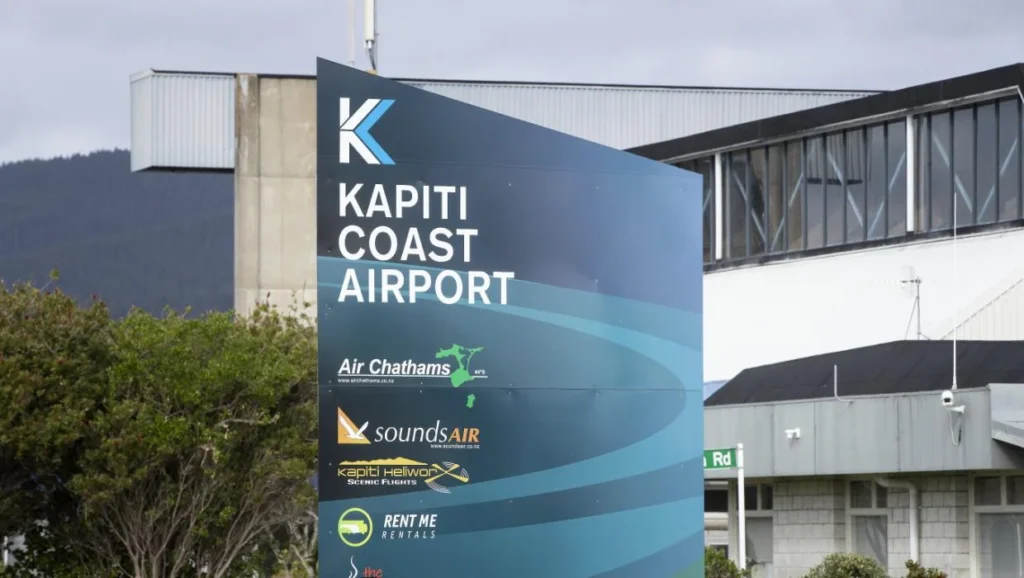
After more than 80 years of serving the Kāpiti Coast, Kāpiti Airport is set to close on November 30, bringing an end to scheduled flights, flight training, and a chapter of regional aviation history.
The airport’s owner, NZPropCo, has confirmed operations will cease at 7pm on November 30. The decision has immediate consequences for airlines, pilots, businesses and local residents who have relied on the airport for decades.

Regional carrier Sounds Air has been told its services from Paraparaumu to Nelson and Blenheim will end on the same day. Passengers booked beyond November 30 will be transferred to Wellington flights or offered refunds.
The closure also leaves the Kāpiti Aero Club scrambling to find a new home. The club, which employs 13 staff, has around 250 members and 50 student pilots, has been asked to surrender a lease that was due to run until 2033. The organisation says it is seeking legal advice while exploring options for its future.
Beyond the immediate disruption lies a bigger question: was the airport really closing because demand no longer existed?
While passenger numbers are not discussed in the closure announcement, the airport remained home to commercial flights, pilot training, recreational aviation and emergency-response capability. The Aero Club has warned that losing the facility could affect the region’s ability to respond during civil emergencies by removing critical infrastructure when it may be needed most.
The closure also comes amid a proposed land sale. In October, NZPropCo reached an agreement with a potential buyer and began a Public Works Act process requiring the land to be offered back to its original owners or successors if no longer required for public purposes.
That history is significant. The airport site was originally acquired by the Government in 1939 from the Puketapu hapū of Te Āti Awa ki Kāpiti for use as a military aerodrome during the Second World War.
For many locals, the closure is about more than flights. It raises questions about regional connectivity, aviation training, emergency preparedness and whether valuable infrastructure is being lost in favour of property development. As the final aircraft prepare to depart, many will be wondering whether Kāpiti Airport’s closure reflects a lack of demand, or simply a different vision for the land beneath it.